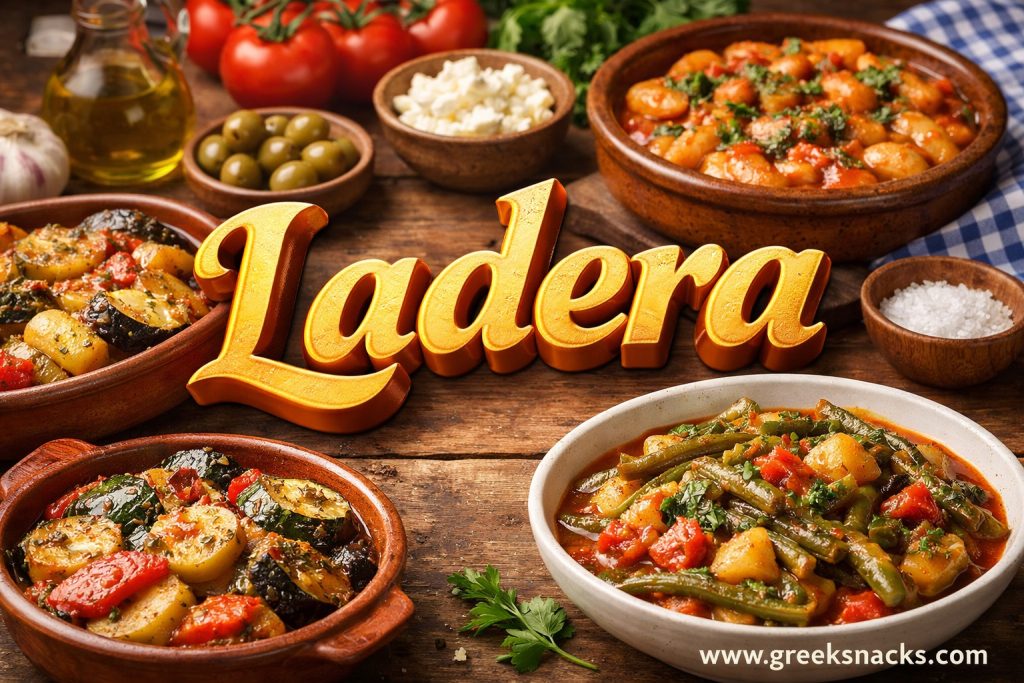
Greek cuisine is celebrated around the world for its simplicity, freshness, and deep connection to tradition. Among its most beloved culinary categories is ladera (λαδερά) a term used to describe vegetable-based dishes cooked slowly in generous amounts of olive oil. Rooted in centuries of home cooking, ladera represents the essence of Greek food: humble ingredients transformed into deeply flavorful, nourishing meals.
The word “ladera” comes from “ladi,” meaning oil—specifically olive oil, which is the foundation of nearly every Greek dish. In ladera cooking, olive oil isn’t just an addition; it is the soul of the meal, binding ingredients together and enriching them with a velvety texture and unmistakable taste.
The Cultural and Historical Roots of Ladera
Ladera dishes are closely tied to the traditions of the Greek Orthodox fasting periods. Throughout the year, especially during Lent and other fasting times, Greeks abstain from meat and dairy, turning instead to plant-based meals. Ladera dishes became a cornerstone of these periods—not as a substitute, but as a celebration of vegetables in their own right.
Historically, these meals were born out of necessity. Rural families relied on seasonal produce, olive oil from their own groves, and simple cooking techniques. Over time, what began as practical cooking evolved into a cherished culinary tradition passed down through generations.
Even today, many Greek households prepare ladera meals weekly not only for their health benefits but also for the comfort and nostalgia they bring.
The Essence of Ladera Cooking
At its core, ladera is about slow cooking and balance. Vegetables are gently simmered or baked in a tomato-based sauce with garlic, onions, and herbs such as parsley, dill, or oregano. The generous use of olive oil allows the vegetables to soften beautifully while absorbing all the flavors around them.
Unlike many modern dishes that rely on complex seasoning, ladera recipes focus on letting each ingredient shine. The natural sweetness of tomatoes, the earthiness of vegetables, and the richness of olive oil come together in perfect harmony.
Another defining characteristic of ladera is its versatility. These dishes can be enjoyed warm, at room temperature, or even cold—making them perfect for family meals, gatherings, or next-day leftovers (which many argue taste even better).
Popular Ladera Dishes to Know
Greek cuisine offers a wide variety of ladera dishes, each highlighting different vegetables and regional influences:
- Briam
Often compared to ratatouille, briam is a baked medley of zucchini, eggplant, potatoes, and tomatoes. Slow-roasted in olive oil, it develops a rich, caramelized flavor that is both comforting and satisfying. - Fasolakia
A household favorite, fasolakia features green beans simmered in a tomato sauce with onions, garlic, and herbs. It’s simple yet incredibly flavorful, often served with fresh bread and feta cheese. - Gigantes Plaki
Made with large white beans baked in a tomato and herb sauce, this dish is hearty, protein-rich, and deeply satisfying—perfect as a main course. - Bamies
Okra cooked in olive oil and tomatoes, often with a hint of vinegar or lemon to balance its natural texture. It’s a classic example of how Greek cooking transforms simple ingredients into something special.
Health Benefits of Ladera
Ladera dishes are a shining example of the Mediterranean diet, widely regarded as one of the healthiest diets in the world. Rich in vegetables, healthy fats, and natural ingredients, these meals offer numerous benefits:
- High in fiber and essential nutrients
- Packed with antioxidants from vegetables and olive oil
- Supports heart health
- Naturally plant-based and suitable for vegetarian and vegan diets
The generous use of olive oil—particularly extra virgin olive oil—provides healthy monounsaturated fats that contribute to overall well-being.
A Lifestyle, Not Just a Meal
What makes ladera truly special is that it reflects a way of life. In Greece, food is not rushed, it is prepared with care, shared with loved ones, and enjoyed slowly. Ladera dishes embody this philosophy perfectly.
They are often cooked in large quantities, making them ideal for family-style dining. A typical Greek table might include a ladera dish alongside bread, olives, and perhaps some cheese, creating a meal that is both simple and deeply satisfying.
There’s also a sustainability aspect to ladera cooking. By focusing on seasonal vegetables and plant-based ingredients, these dishes align with modern values of mindful eating and environmental responsibility.
Bringing Ladera Into Your Kitchen
One of the best things about ladera is how accessible it is. You don’t need advanced cooking skills or hard-to-find ingredients—just fresh vegetables, good-quality olive oil, and a bit of patience.
Start with a base of onions and garlic sautéed in olive oil, add your vegetables of choice, pour in crushed tomatoes, and let everything simmer slowly. Finish with fresh herbs and a drizzle of olive oil for that authentic Greek touch.
Serve it with crusty bread to soak up the sauce, and you have a meal that is both comforting and nourishing.
Ladera is more than just a category of dishes—it is a celebration of simplicity, tradition, and the natural flavors of the earth. In every bite, you taste the richness of olive oil, the sweetness of ripe vegetables, and the care that goes into slow, thoughtful cooking.
In a fast-paced world, ladera reminds us to slow down, eat well, and appreciate the beauty of simple food done right. Whether you’re exploring Greek cuisine for the first time or looking to embrace healthier eating habits, ladera offers a timeless and delicious place to start.