Greek Food and Dance Festivals Worldwide: A Cultural Phenomenon
Across continents and cultures, Greek food and dance festivals have evolved into a global celebration of heritage, identity, and community. What began as local parish gatherings has grown into a worldwide cultural phenomenon, attracting millions of visitors each year—many of whom have no direct Greek ancestry but are drawn to the energy, flavors, and traditions of the Mediterranean.
From the streets of New York to the suburbs of Melbourne, and from Toronto to Chicago, Greek festivals have become a vibrant fixture of multicultural life.
A Celebration Rooted in Tradition
Greek festivals are deeply tied to the traditions of the Greek Orthodox Church. Many of the earliest festivals were organized by church communities to raise funds, preserve cultural practices, and bring together immigrant families who sought to maintain a connection with Greece.
Over time, these gatherings expanded beyond religious settings into broader cultural events featuring:
- Traditional Greek cuisine
- Folk and regional dances
- Live music performances
- Artisan markets
- Cultural exhibitions and storytelling
The Irresistible Appeal of Greek Cuisine
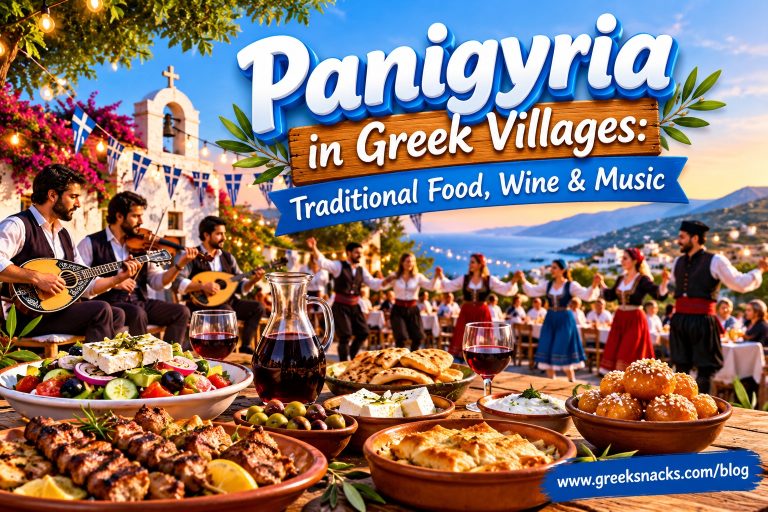
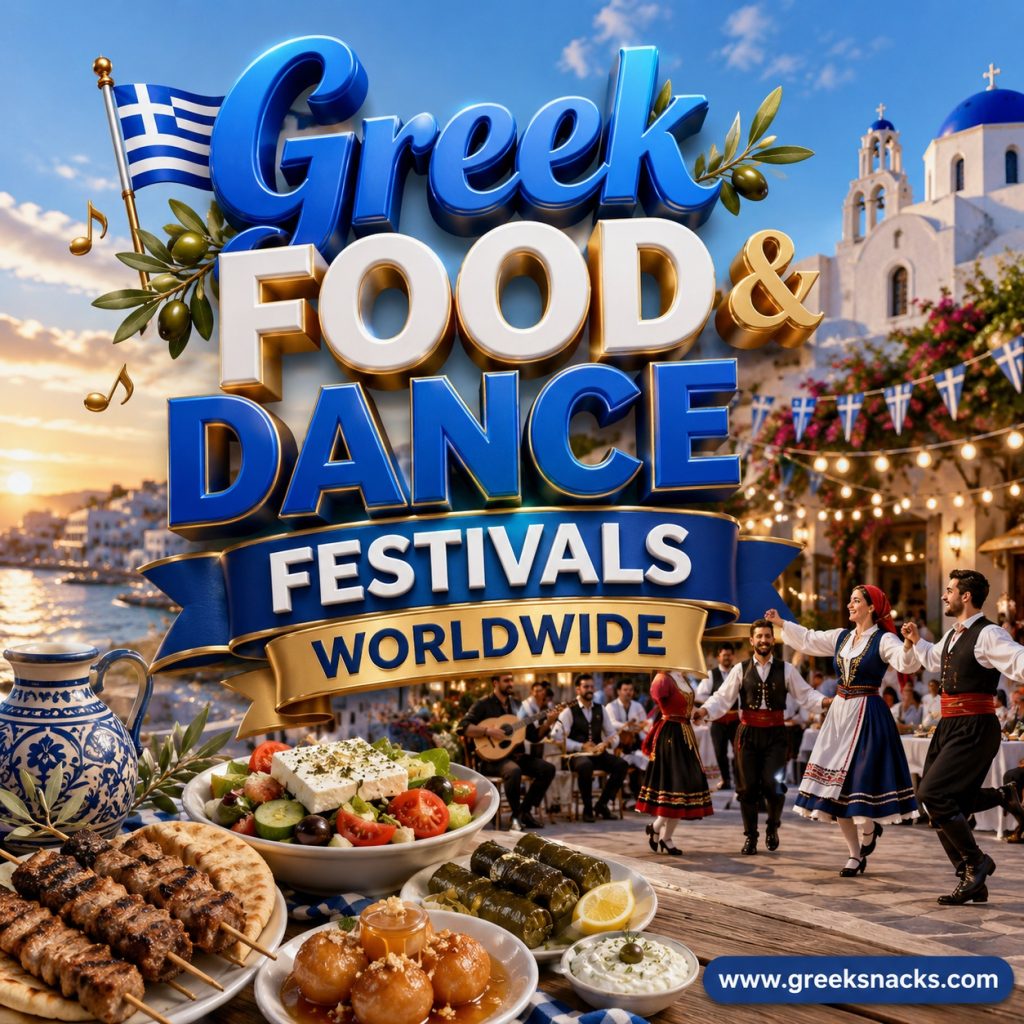
Food is often the central attraction of any Greek festival. Visitors line up for freshly grilled souvlaki, spanakopita, moussaka, gyros, and loukoumades—each dish representing centuries of Mediterranean culinary heritage.
Greek food festivals are not just about eating; they are about experiencing a culinary philosophy built on simplicity, freshness, and communal sharing. Olive oil, herbs, feta cheese, and fresh bread form the backbone of dishes that have now become global favorites.
Many attendees describe the food stalls as a gateway into Greek culture itself, offering an accessible introduction even before the music begins.
Dance: The Heartbeat of the Festival
If food is the soul, dance is the heartbeat of Greek festivals.
Traditional dances such as the sirtaki, kalamatianos, and tsamikos are performed by both trained folk groups and enthusiastic participants from the crowd. Dancers often hold hands in long lines or circles, symbolizing unity and collective joy.
Live bouzouki music sets the rhythm, creating an atmosphere that is both festive and deeply emotional. These performances often blur the line between performer and audience, as festival-goers are encouraged to join in regardless of skill level.
A Global Cultural Bridge
One of the most remarkable aspects of Greek food and dance festivals is their ability to transcend cultural boundaries. While rooted in Greek identity, these events now serve as multicultural bridges that bring together diverse communities.
In cities like New York and Toronto, Greek festivals often sit alongside Italian, Caribbean, and Asian festivals in the broader celebration of multicultural identity. This coexistence reinforces the idea that cultural heritage can be both preserved and shared.
For second- and third-generation Greek diaspora communities, these festivals are especially meaningful. They provide a living link to ancestral traditions, language, and customs that might otherwise fade with time.
The Modern Evolution of Greek Festivals
Today, Greek festivals have adapted to contemporary audiences while maintaining their traditional core. Social media promotion, food trucks, live streaming of performances, and digital ticketing have expanded their reach significantly.
Some festivals now include fusion cuisine, modern Greek music, and collaborations with local artists. Yet despite these innovations, the essence remains unchanged: celebration, hospitality, and connection.
Why the World Loves Greek Festivals
The global popularity of Greek food and dance festivals can be attributed to several key factors:
- Authenticity: A direct connection to centuries-old traditions
- Hospitality: The Greek concept of philoxenia (love of strangers)
- Cultural richness: Music, dance, food, and storytelling in one space
- Community spirit: Inclusive and welcoming atmosphere
- Emotional resonance: Joyful, participatory celebration
A Living Tradition That Continues to Grow
As global migration continues and cities become increasingly multicultural, Greek food and dance festivals are likely to expand even further. They are no longer just community events—they are international cultural experiences that celebrate both heritage and shared humanity.
Whether you’re savoring a plate of freshly grilled souvlaki or joining a spontaneous circle dance under the stars, these festivals offer something rare in today’s fast-paced world: a moment of connection, joy, and tradition alive in real time.
Greek food and dance festivals are more than events—they are living expressions of identity, history, and community that continue to resonate across generations and borders.