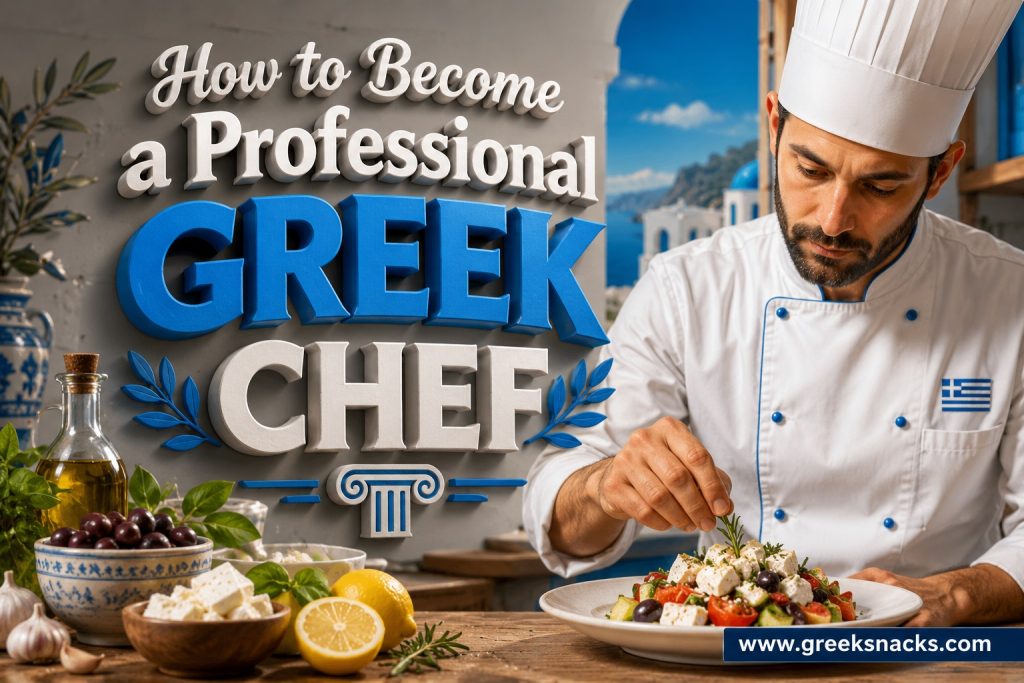
Greek cuisine is one of the world’s oldest and most celebrated culinary traditions. Rooted in fresh ingredients, simplicity, and centuries of history, it offers aspiring chefs the opportunity to master a craft that combines technique, culture, and hospitality. If you dream of preparing authentic Greek dishes in restaurants, hotels, cruise ships, or even opening your own establishment, becoming a professional Greek chef can be a rewarding career path.
Develop a Passion for Greek Cuisine
Every successful chef begins with a genuine love for food. Greek cooking is about more than recipes—it’s about understanding traditions, regional influences, and the importance of sharing meals with others.
Start by familiarizing yourself with classic Greek dishes such as:
- Moussaka – a layered casserole made with eggplant, meat, and béchamel sauce.
- Souvlaki – skewered and grilled meat served with pita and accompaniments.
- Spanakopita – spinach and feta pie wrapped in flaky phyllo pastry.
- Dolmades – vine leaves stuffed with rice and herbs.
- Pastitsio – a baked pasta dish often called Greek lasagna.
- Baklava – a sweet pastry layered with nuts and honey syrup.
Learning the stories behind these dishes helps build a deeper appreciation for Greek culinary heritage.
 A group of Greek Chefs
Learn the Fundamentals of Cooking
Before specializing, you should master essential culinary skills, including:
- Knife techniques
- Food safety and hygiene
- Stock and sauce preparation
- Baking fundamentals
- Grilling and roasting techniques
- Menu planning
- Kitchen organization and time management
These foundational skills form the backbone of professional cooking.
Attend Culinary School
Formal education can accelerate your journey into the culinary world. Many aspiring Greek chefs enroll in culinary institutes that offer training in international and Mediterranean cuisine.
Studying in Greece can provide firsthand exposure to authentic cooking techniques and local ingredients. However, culinary schools in other countries often offer Mediterranean specialization programs as well.
Topics commonly covered include:
- Greek and Mediterranean gastronomy
- Professional kitchen operations
- Nutrition and food science
- Pastry and dessert preparation
- Restaurant management
- Culinary innovation
Gain Practical Experience
Experience is essential in the culinary profession. Seek opportunities to work in:
- Greek restaurants
- Hotels and resorts
- Catering companies
- Cruise ships
- Traditional tavernas
- Bakery and pastry shops
Starting as a kitchen assistant or apprentice allows you to observe experienced chefs and gradually build confidence.
During this period, focus on learning:
- Speed and efficiency
- Teamwork under pressure
- Consistency in food preparation
- Customer expectations
- Inventory management
Master Traditional Greek Ingredients
A professional Greek chef understands the ingredients that define the country’s cuisine.
Key ingredients include:
- Olive oil
- Feta cheese
- Greek yogurt
- Oregano
- Thyme
- Mint
- Lemon
- Honey
- Fresh seafood
- Lamb
- Eggplants
- Tomatoes
- Phyllo pastry
- Olives and olive products
Knowing how to source and combine these ingredients is vital for creating authentic flavors.
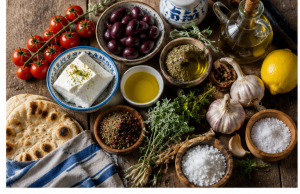 Greek Food Ingredients
Explore Greece’s Regional Cuisines
Greek cuisine varies from region to region. Understanding these differences can set you apart as a chef.
Some notable culinary regions include:
- Crete: Known for olive oil, vegetables, and healthy Mediterranean dishes.
- Macedonia: Famous for rich meat dishes and pies.
- Epirus: Celebrated for traditional pastries and cheeses.
- The Cyclades: Features seafood and simple island cooking.
- The Peloponnese: Renowned for citrus fruits, olives, and hearty meals.
Regional expertise demonstrates authenticity and depth of knowledge.
Build Professional Skills
Technical ability alone does not guarantee success. Professional chefs also need to develop:
- Leadership skills
- Communication abilities
- Creativity
- Adaptability
- Problem-solving skills
- Financial awareness
- Stress management
These qualities become increasingly important as you advance to senior positions.
Continue Learning
Food trends evolve constantly, and the best chefs never stop learning.
You can continue growing by:
- Attending culinary workshops
- Taking advanced certifications
- Studying modern Greek gastronomy
- Experimenting with contemporary presentations
- Networking with industry professionals
- Following respected Greek chefs and culinary publications
Combining tradition with innovation can help define your unique culinary identity.
Consider Opening Your Own Greek Restaurant
Many professional Greek chefs eventually pursue entrepreneurship. Running your own restaurant allows you to showcase your creativity and preserve authentic Greek culinary traditions.
Before launching your business, gain experience in:
- Restaurant operations
- Budgeting and cost control
- Marketing and branding
- Staff management
- Customer service
A strong reputation built through years of dedication can pave the way for long-term success.
Becoming a professional Greek chef requires commitment, patience, and a genuine appreciation for Greek culture and cuisine. Whether you choose formal culinary education, hands-on apprenticeships, or a combination of both, the journey is filled with opportunities to refine your skills and share the flavors of Greece with the world.

From mastering traditional recipes to understanding regional specialties and embracing modern culinary techniques, every step brings you closer to transforming your passion into a fulfilling profession. With perseverance and continuous learning, you can build a successful career as a professional Greek chef and carry the rich legacy of Greek gastronomy into kitchens across the globe.