When people think of Greek cheese, Feta is usually the first name that comes to mind. However, Greece has a much wider cheesemaking tradition, and Graviera is one of the cheeses that deserves just as much attention.
Found in homes, traditional tavernas, local markets and restaurants across Greece, Graviera is a hard cheese valued for its rich flavour, firm texture and versatility. It is commonly served in slices, enjoyed with bread and olives, grated over pasta or fried to make the popular Greek dish known as saganaki.
But Graviera is more than an everyday food. Its production reflects Greece’s agricultural history, regional identity and long-standing relationship with sheep, goat and cattle farming.
The History Behind Greek Graviera
Although Greece has a cheesemaking tradition that goes back thousands of years, Graviera is a relatively modern addition to the country’s traditional cheese collection.
Historical research traces its production in Greece to 1914, when the cheese was first made at the royal dairy in Lappa, in the Peloponnese. Its production technique was subsequently introduced into formal dairy education at the dairy school in Ioannina in 1917. From there, cheesemaking knowledge spread to other parts of the country.
The name and style are associated with the wider European Gruyère-type hard-cheese tradition, but Greek producers developed their own methods and characteristics.
Over the years, Graviera became established in different Greek regions, where local milk, farming practices and production techniques helped create distinct varieties.
Today, it is widely recognised as one of Greece’s most important hard cheeses and is second only to Feta in popularity among Greek cheeses.
What Makes Graviera Different?
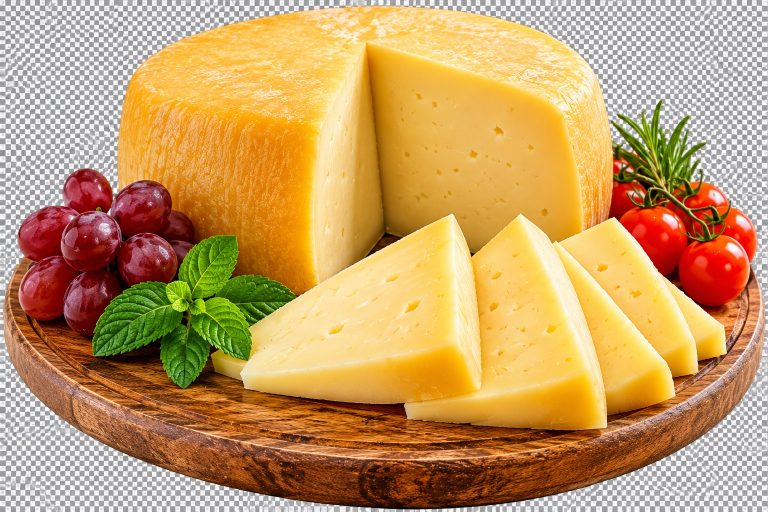
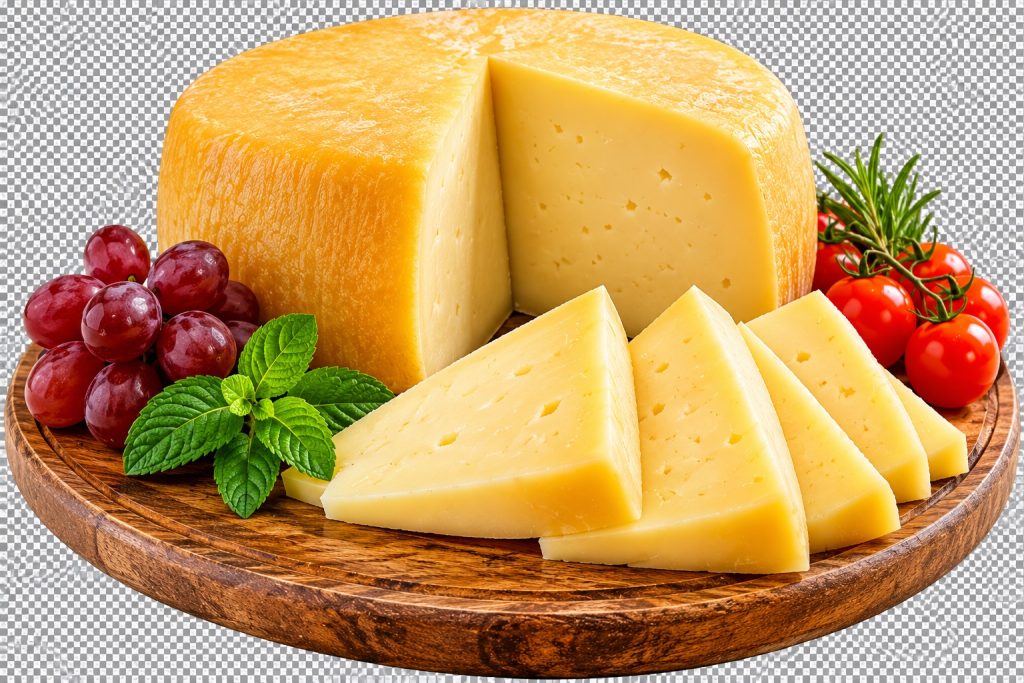
Graviera is a firm, yellowish hard cheese with a distinctive aroma and a flavour that can range from mildly sweet and buttery to richer, savoury and slightly sharp, depending on how it is produced and matured.
It is traditionally made using sheep’s milk, although goat’s milk and cow’s milk are also used in different varieties.
One of its defining characteristics is the way its flavour develops during maturation. As the cheese ages, it becomes firmer and develops a more concentrated taste.
Unlike Feta, which is a white cheese preserved in brine, Graviera is a matured hard cheese. This gives it a different texture and makes it suitable for a wider range of cooking methods.
Its versatility is one reason it has remained popular in Greek kitchens for generations.
Three Famous Regional Varieties of Graviera
One of the most interesting things about Graviera is that its character changes depending on where it is produced.
Although many Greek regions make cheese under the Graviera name, three varieties have official Protected Designation of Origin (PDO) status: Graviera Naxou, Graviera Kritis and Graviera Agrafon.
This recognition protects their geographical identity and requires them to meet specific production standards.
1. Graviera Naxou: The Famous Cheese of Naxos
<escape> </escape>
Naxos, the largest island in the Cyclades, is particularly well known for its dairy production. Its fertile agricultural landscape and established livestock farming have helped make the island an important centre for Greek cheesemaking.
Graviera Naxou stands out because it is made primarily from cow’s milk, unlike the sheep’s-milk-based tradition associated with several other Graviera varieties.
It has a relatively mild, buttery and slightly sweet flavour, with a firm but pleasant texture.
It is commonly served as a table cheese and is also used in cooking. Its ability to soften and develop a golden surface when fried makes it particularly suitable for saganaki.
2. Graviera Kritis: A Taste of Crete
Crete has one of Greece’s strongest traditional dairy cultures, and Graviera Kritis is among the island’s best-known cheeses.
It is traditionally produced using sheep’s milk or a mixture of sheep’s and goat’s milk, following specific PDO requirements.
Compared with Graviera Naxou, it generally has a richer and more pronounced flavour. Its firm texture and characteristic aroma make it suitable for eating on its own or incorporating into traditional Cretan meals.
Across Crete, Graviera is commonly enjoyed with bread, olives and other local products. It also features in cheese platters and everyday cooking.
For many people, it is an important part of the island’s food identity.
3. Graviera Agrafon: A Cheese from the Mountains
Graviera Agrafon comes from the Agrafa region of central Greece, an area known for its mountainous landscape and traditional livestock farming.
Its production is closely connected to the region’s sheep and goat farming communities.
The cheese is made primarily from sheep’s milk, with permitted additions of goat’s milk under its PDO specifications.
It has a firm texture and a distinctive flavour associated with its traditional production environment.
Unlike cheeses produced in large industrial facilities, regional varieties such as Graviera Agrafon help preserve the relationship between local farmers, milk producers and traditional cheesemakers.
These three varieties demonstrate how one cheese name can represent different regional traditions within the same country.
How Graviera Is Traditionally Made
Making Graviera requires several stages, and the process plays an important role in determining the cheese’s final flavour and texture.
The process starts with fresh milk, which is heated and combined with rennet to help it coagulate. Once the milk forms a solid curd, it is cut into smaller pieces and heated further while being stirred.
The curds are then transferred into moulds, pressed to remove excess whey and salted.
After these stages, the cheese is left to mature under controlled conditions. During this period, its texture becomes firmer and its flavour develops.
The exact production methods, milk composition and maturation requirements vary between regions and PDO specifications.
Traditional small-scale cheesemaking continues alongside modern dairy production, allowing the cheese to remain part of Greece’s contemporary food industry.
How Greeks Eat Graviera
Graviera is not a cheese reserved for special occasions. It is a familiar ingredient in Greek cooking and can be enjoyed in several ways.
Some of the most popular ways to serve it include:
Graviera Saganaki: One of the best-known ways to enjoy the cheese is to fry a slice until its exterior becomes golden and crispy while the inside softens. It is often served hot with lemon.
With Bread and Olives: Graviera is frequently served alongside fresh bread, olives and other traditional Greek accompaniments.
With Pasta: It can be grated over pasta to provide a rich, savoury flavour.
In Sandwiches: Its firm texture and melting qualities make it a suitable ingredient for sandwiches and toasted bread.
On Cheese Platters: Graviera pairs well with fruit, nuts, honey and other Greek cheeses, making it a popular addition to a traditional food spread.
These different uses show why Graviera has remained a practical and valued ingredient in Greek households.
Why Graviera Matters to Greek Agriculture and Local Communities
The importance of Graviera extends beyond its taste.
Cheesemaking is closely connected to livestock farming in Greece, particularly in rural and mountainous communities where sheep and goats remain important sources of agricultural income.
Producing traditional cheese creates a market for locally sourced milk and supports the farmers, cheesemakers and businesses involved in the dairy industry.
Regional varieties also help preserve local food knowledge. Techniques passed between generations are part of what gives traditional Greek cheeses their individual character.
The PDO system plays an important role in protecting this heritage. By connecting certain cheeses to specific geographical areas and production requirements, it helps distinguish authentic regional products from cheeses made elsewhere.
For Greece, this is particularly important at a time when traditional food products are increasingly appreciated in international markets.
Graviera’s Place in Modern Greek Food Culture
Greek food continues to attract international attention, and traditional products such as Graviera are part of what makes the country’s cuisine distinctive.
Although Feta remains Greece’s most internationally recognised cheese, Graviera offers another perspective on the country’s dairy traditions.
Its regional varieties, different milk compositions and wide range of culinary uses demonstrate the diversity of Greek cheesemaking.
Today, Graviera can be found in supermarkets, traditional food shops, restaurants and markets both inside and outside Greece.
Whether served as a simple table cheese or prepared as saganaki, it continues to connect everyday Greek meals with the country’s agricultural and culinary heritage.
A Traditional Greek Cheese Worth Discovering
Graviera’s story is one of regional identity, agricultural tradition and changing food culture.
From the dairy farms of Naxos to the cheesemaking communities of Crete and the mountainous Agrafa region, each PDO variety offers something different while sharing a common place in Greek cuisine.
For anyone interested in discovering authentic Greek food, Graviera is a cheese worth exploring. It may not receive the same international recognition as Feta, but its history, distinctive flavours and importance to local communities make it one of Greece’s most valuable traditional food products.