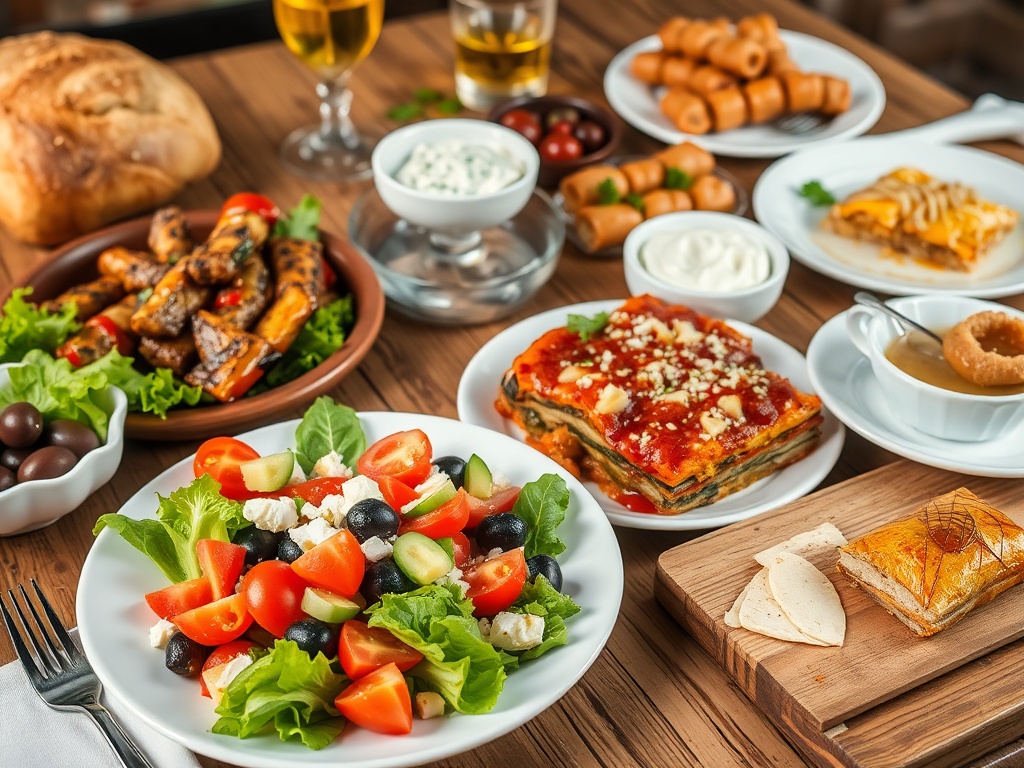
Greek cuisine is renowned for its vibrant flavors, fresh ingredients, and rich history. The techniques used in Greek cooking not only enhance the taste of the dishes but also reflect the cultural heritage of the region.
Here are eight (8) Greek cooking techniques that contribute to the unique character of Greek cuisine.
1. Grilling
Grilling is a foundational technique in Greek cooking, often used for meats, vegetables, and seafood. The use of charcoal or an open flame imparts a smoky flavor that enhances the natural taste of the ingredients.
Importance of Grilling
Grilling is not just about cooking food; it’s about bringing people together. In Greece, outdoor grilling often takes place during family gatherings and celebrations, creating a communal atmosphere. The simplicity of grilled dishes allows the quality of the ingredients to shine through.
Common Dishes:
- Souvlaki: Marinated meat skewers grilled to perfection, often served with pita bread and tzatziki sauce.
- Octopus: Traditionally grilled and served with a drizzle of olive oil, vinegar, and a sprinkle of oregano, highlighting the freshness of the sea.
- Vegetable Skewers: Seasonal vegetables like bell peppers, zucchini, and mushrooms are marinated and grilled, making for a perfect vegetarian option.
2. Baking
Baking is essential for many traditional Greek dishes, especially those involving bread and pastries. The use of wood-fired ovens adds a unique flavor and texture, deeply rooted in Greek culture.
The Role of Baking in Greek Cuisine
Baking is not merely a cooking method; it’s a way of life in Greece. Many families have their own recipes passed down through generations, and the aroma of freshly baked bread often fills homes.
Common Dishes:
- Pita Bread: A soft flatbread perfect for wraps or as a side. It’s often served warm and is essential for dishes like gyros.
- Moussaka: Layers of eggplant, minced meat, and béchamel sauce baked to golden perfection, offering a comforting and hearty meal.
- Baklava: A sweet pastry made of layers of phyllo dough filled with nuts and honey, showcasing the sweet side of Greek baking.
3. Braising
Braising is a slow-cooking technique that involves cooking meat in a small amount of liquid over low heat for an extended period. This method allows flavors to meld and results in tender, flavorful dishes.
The Art of Braising
Braising is an ideal technique for tougher cuts of meat, allowing them to become tender while absorbing the flavors of herbs and spices. It’s a process that requires patience but rewards with deep, complex flavors.
Common Dishes:
- Kleftiko: Lamb slow-cooked with herbs, garlic, and lemon, often wrapped in parchment paper to retain moisture and flavor.
- Stifado: A rich beef stew with onions, tomatoes, and aromatic spices, often served with crusty bread to soak up the delicious sauce.
- Chicken with Lemon and Olives: A tangy dish where chicken is braised with olives and lemon, showcasing the bright flavors of the Mediterranean.
4. Stewing
Similar to braising, stewing involves cooking food slowly in a liquid, but it typically includes more liquid and is often served as a soup or sauce, creating a comforting dish ideal for colder months.
The Comfort of Stews
Stews are a staple in Greek households, often prepared for family gatherings or special occasions. The long cooking time allows flavors to develop, making them deeply satisfying.
Common Dishes:
- Fasolada: A hearty bean soup with tomatoes, olive oil, and herbs, often considered the national dish of Greece.
- Youvarlakia: Meatballs cooked in a lemony rice sauce, offering a delightful balance of flavors.
- Vegetable Stews: Seasonal vegetables stewed with herbs and olive oil, often served as a main or side dish, emphasizing the importance of plant-based ingredients.
5. Frying
Frying is commonly used in Greek cooking, especially for appetizers and snacks. Both deep frying and pan frying are popular methods, adding a crispy texture to various dishes.
The Crispy Appeal
Fried foods are often enjoyed as meze (small plates) and are perfect for sharing. The crunchiness adds an enjoyable contrast to softer ingredients, making them a crowd favorite.
Common Dishes:
- Spanakopita: Spinach and feta cheese wrapped in flaky phyllo pastry and fried or baked, creating a crispy exterior and a savory filling.
- Loukoum: Deep-fried dough balls soaked in syrup, offering a sweet treat that is popular during celebrations.
- Keftedes: Fried meatballs made with ground meat and herbs, served with a side of tzatziki for dipping.
6. Pickling
Pickling is a traditional method for preserving vegetables and enhancing their flavor. This technique is often used for cucumbers, olives, and peppers, reflecting the resourcefulness of Greek cooking.
The Preservation Technique
Pickling not only preserves the freshness of vegetables but also adds a tangy flavor that complements many dishes. It’s a technique that showcases the importance of seasonal produce.
Common Dishes:
- Kalamata Olives: Brined and sometimes marinated with herbs, they are essential in many Greek salads and dishes.
- Pickled Peppers: Served as a meze or side dish, adding a spicy kick to meals.
- Tzatziki: While not a pickled dish, it often includes pickled cucumbers, enhancing its refreshing quality.
7. Roasting
Roasting is another essential technique, particularly for whole meats and vegetables. The high heat caramelizes sugars, resulting in a rich flavor that enhances the natural sweetness of the ingredients.
The Flavor of Roasting
Roasting is often associated with festive occasions and family gatherings. The use of herbs and spices during roasting elevates the dish, making it a centerpiece on any table.
Common Dishes:
- Roasted Lamb: Often seasoned with garlic, lemon, and herbs, making it a popular choice for Easter celebrations.
- Vegetable Medley: Seasonal vegetables roasted with olive oil and herbs, served as a side dish that complements many main courses.
- Roasted Potatoes: Crispy on the outside and fluffy on the inside, often flavored with lemon and oregano.
8. Boiling
Boiling is a straightforward technique used for preparing pasta, rice, and legumes. It is essential for creating the base of many dishes, ensuring that ingredients are cooked properly.
The Basics of Boiling
While it may seem simple, boiling requires attention to detail to achieve the desired texture, especially for pasta and grains.
Common Dishes:
- Greek Salad: Often includes boiled potatoes or green beans, adding heartiness to the fresh flavors.
- Pilaf: Rice cooked in broth, often flavored with spices and served as a side dish.
- Lentil Soup: A nourishing soup made with boiled lentils, vegetables, and herbs, perfect for a healthy meal.
Conclusion
Greek cooking techniques are deeply rooted in tradition and emphasize the use of fresh, high-quality ingredients. Whether through grilling, baking, or pickling, each method brings out the best in the food, creating dishes that are not only delicious but also tell a story of a rich culinary heritage. Exploring these techniques can provide an authentic taste of Greece right in your own kitchen. Each technique offers a unique way to experience the flavors and traditions of this vibrant cuisine, inviting you to savor the heart and soul of Greek cooking.