Introduction
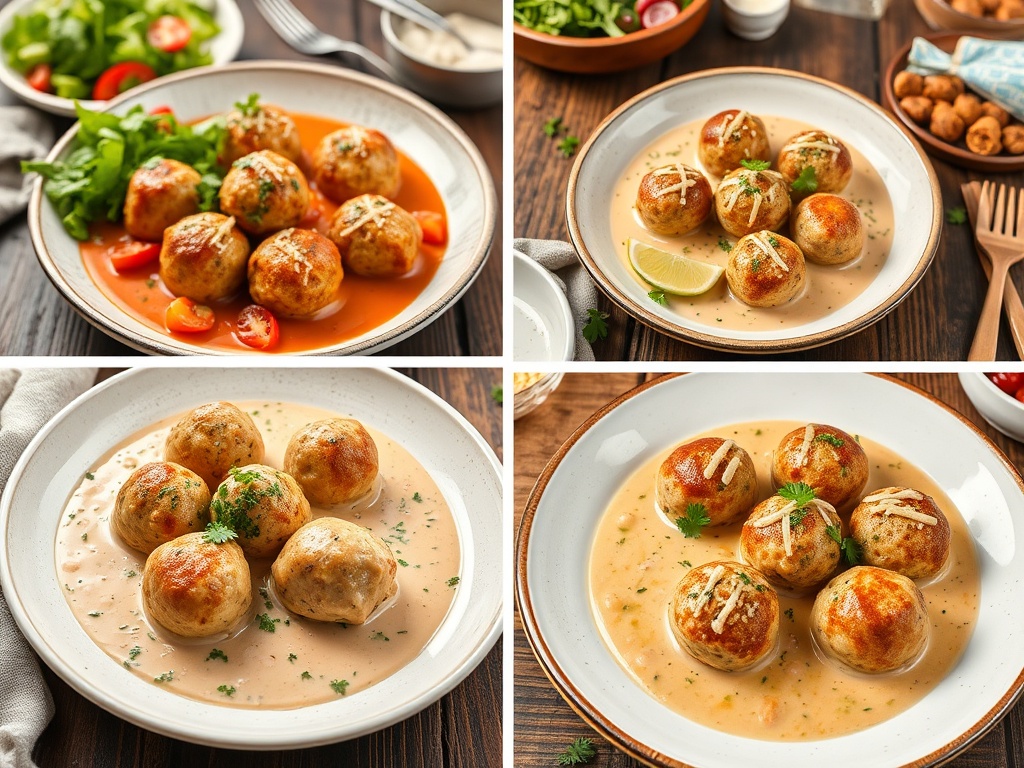
Youvarlakia, a traditional Greek dish, is a shining example of the rich culinary heritage of Greece. Often enjoyed during family gatherings and special occasions, these delightful meatballs are typically made with a combination of ground meat, rice, and herbs, all enveloped in a creamy lemon sauce known as Avgolemono. This dish not only offers a delicious taste but also reflects the warmth and hospitality intrinsic to Greek culture.
History and Origin
The origins of Youvarlakia can be traced back to ancient Greece, where various forms of meatballs were a common staple. Their roots can be found in the broader Mediterranean culinary tradition, where ground meat and grains were often combined to create hearty meals. Throughout the centuries, regional variations of Youvarlakia have emerged, influenced by local ingredients and customs.
In Greece, Youvarlakia is particularly popular in regions like Thessaloniki, where the dish is often associated with family gatherings and festive occasions. Over time, each region has put its unique spin on the dish, incorporating local herbs, spices, and cooking methods.
Ingredients
The classic Youvarlakia recipe includes:
- Ground Meat: A mixture of beef and pork is most common, though variations may use lamb or chicken depending on regional preferences. The choice of meat can significantly influence the flavor profile of the dish.
- Rice: Short-grain rice is typically used, as it absorbs flavors well and provides a pleasing texture.
- Herbs and Spices: Fresh parsley, dill, and mint are essential for flavoring the meatballs. Other spices like cinnamon or allspice may also be added for a unique twist.
- Egg-Lemon Sauce (Avgolemono): This sauce is essential to the dish, providing richness and a tangy flavor that balances the savory meatballs.
Variations
While the traditional Youvarlakia is made with meat, vegetarian versions can be found, utilizing ingredients like lentils or chickpeas combined with rice and spices. Some recipes also include vegetables, such as zucchini or carrots, which add additional flavor and nutrition to the dish.
Preparation
Making the Meatballs
- Mixing Ingredients: In a large bowl, combine the ground meat, rice, finely chopped herbs, salt, and pepper. The mixture should be well-blended but not overworked to maintain tenderness.
- Shaping: Using your hands, form the mixture into small, round meatballs, typically about the size of a golf ball. Ensuring they are compact helps them hold their shape during cooking.
- Cooking: Traditionally, the meatballs are simmered in a broth or sauce. This gentle cooking method allows the flavors to meld and ensures the meatballs remain moist and tender.
Preparing the Avgolemono Sauce
- Egg and Lemon Mixture: In a bowl, whisk together eggs and fresh lemon juice until smooth.
- Temper the Mixture: Gradually add some of the hot broth from the pot to the egg-lemon mixture, whisking continuously to prevent curdling. This step is crucial for achieving a creamy sauce.
- Combine: Slowly stir the tempered mixture back into the pot with the meatballs, stirring continuously until the sauce thickens. This creates a rich, velvety coating that enhances the dish.
Serving Suggestions
Youvarlakia is typically served warm, garnished with additional fresh herbs or lemon wedges for added brightness. It pairs beautifully with a side of crusty bread, allowing diners to soak up the delicious sauce. A fresh Greek salad, with its crisp vegetables and tangy feta cheese, complements the richness of the meatballs and adds a refreshing contrast.
In many households, Youvarlakia is served as part of a multi-course meal, often featuring other traditional dishes like moussaka or spanakopita. This communal dining experience emphasizes sharing and togetherness, hallmarks of Greek hospitality.
Cultural Significance
In Greek culture, food is not just sustenance; it is a way to forge connections and create memories. Youvarlakia embodies the spirit of family and tradition, often prepared during special occasions, holidays, and festive gatherings. The preparation of this dish can become a family affair, with generations coming together to share recipes, cooking techniques, and stories.
For many Greeks, Youvarlakia evokes nostalgia, reminding them of childhood meals shared with loved ones. It is common to find variations of the dish in family cookbooks, each one a testament to the unique twists and adaptations made over the years.
Nutritional Value
Youvarlakia is not only delicious but also nutritious. The combination of protein from the meat, carbohydrates from the rice, and vitamins from the herbs makes it a balanced meal. When prepared with fresh ingredients, it can offer a variety of nutrients essential for a healthy diet. Additionally, the Avgolemono sauce, rich in protein from the eggs, provides a creamy texture without the need for heavy cream or butter.
Conclusion
Youvarlakia is more than just a dish; it embodies the essence of Greek hospitality and culinary tradition. Its rich flavors and comforting texture make it a beloved favorite among many. Whether enjoyed at a festive gathering or a quiet family dinner, this delightful dish is sure to leave a lasting impression. So, gather your loved ones, roll up your sleeves, and try your hand at making Youvarlakia for a delicious taste of Greece! This culinary journey not only fills the stomach but also nourishes the soul, reminding us of the importance of sharing meals and creating lasting memories together.