Introduction
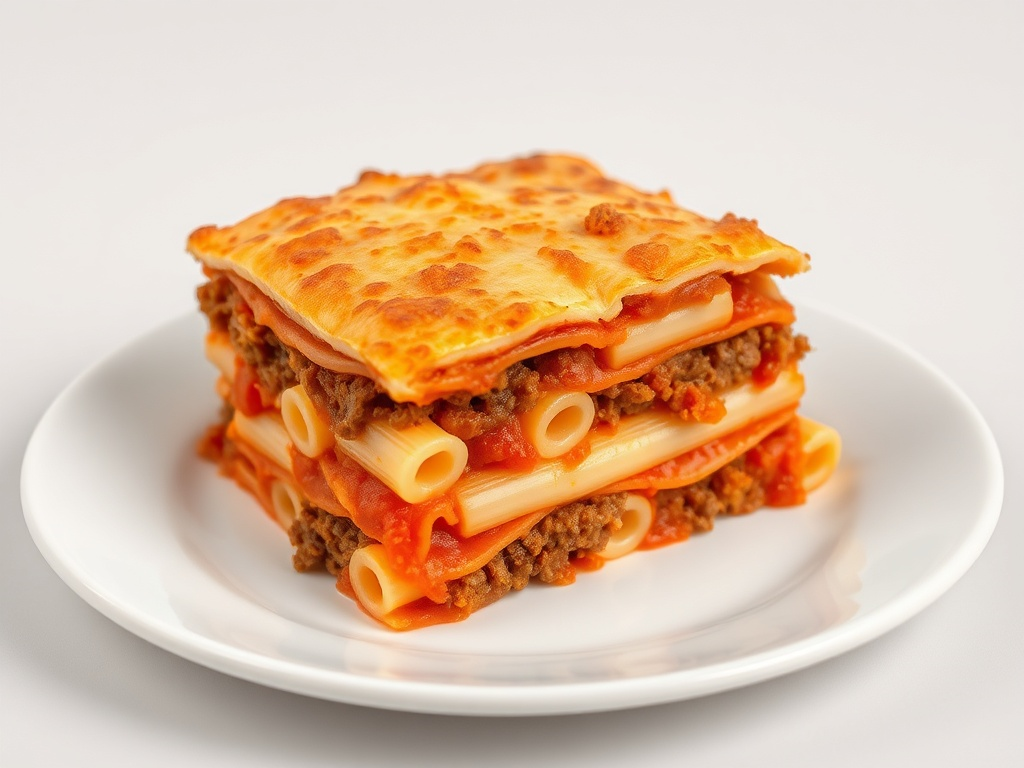
Greek pasticcio, known as pasticcio in Greek, is a beloved dish that showcases the rich flavors and culinary traditions of Greece. This delectable baked pasta dish is often likened to lasagna, featuring layers of pasta, meat, and béchamel sauce. With its comforting textures and robust flavors, Greek pasticcio has become a staple in Greek households and is often served during festive occasions and family gatherings. This article will explore the history, ingredients, preparation, and cultural significance of this iconic dish.
History and Origins
The origins of pasticcio can be traced back to the influence of Italian cuisine on Greek cooking, particularly during the period of Venetian rule in the Ionian Islands. In its early iterations, pasticcio was a luxurious dish enjoyed by the wealthy, often featuring elaborate presentations and a variety of meats.
The dish’s popularity grew during the Ottoman period, when culinary exchanges between cultures flourished. Greek pasticcio began to take on its unique identity, incorporating local spices and flavors. Over time, it became a staple in Greek households, cherished for its hearty nature and ability to feed large families.
Key Ingredients
Greek pasticcio is characterized by its hearty and flavorful components, each contributing to the dish’s overall richness:
- Pasta: Traditionally, tubular pasta such as penne or macaroni is used. The pasta is cooked al dente, ensuring it holds its shape during baking.
- Meat Sauce: Ground beef or lamb is typically used for the meat sauce, sautéed with onions and garlic, then combined with canned or fresh tomatoes. This mixture is seasoned with a blend of spices, including cinnamon and nutmeg, which impart a warm, aromatic quality that is signature to Greek cuisine.
- Béchamel Sauce: A creamy sauce made from a roux of butter and flour, with milk added gradually to create a smooth texture. Eggs and grated cheese are often mixed in, giving the béchamel a rich and velvety consistency.
- Cheese: Grated cheese, commonly kefalotyri or parmesan, is sprinkled on top before baking. This adds a savory depth of flavor and creates a delightful crust as it browns in the oven.
- Herbs and Seasonings: Fresh herbs like parsley and oregano, along with salt and pepper, enhance the flavors of the meat sauce and béchamel.
Preparation
The preparation of Greek pasticcio involves several steps, each essential to achieving the perfect balance of flavors and textures:
- Cooking the Meat Sauce: Start by heating olive oil in a pan, then sauté finely chopped onions until translucent. Add minced garlic and cook for a minute before adding the ground meat. Brown the meat thoroughly, breaking it up with a spoon. Once browned, add diced tomatoes, tomato paste, and the spice blend. Let the sauce simmer for about 30 minutes until thickened and flavorful.
- Cooking the Pasta: In a large pot, bring salted water to a boil and cook the pasta according to package instructions until al dente. Drain the pasta and set it aside.
- Making the Béchamel Sauce: In a saucepan, melt butter over medium heat. Stir in flour to create a roux, cooking for a few minutes until lightly golden. Gradually whisk in milk, continuing to stir until the mixture thickens. Remove from heat and let it cool slightly before whisking in beaten eggs and grated cheese.
- Layering the Dish: In a large baking dish, start with a layer of meat sauce. Spread half of the cooked pasta over the sauce, followed by another layer of meat. Add the remaining pasta and top with the béchamel sauce, smoothing it out to cover the entire surface. Sprinkle additional grated cheese on top for a crispy finish.
- Baking: Preheat the oven to 180°C (350°F) and bake the pasticcio for about 45 minutes, or until the top is golden and bubbly. Let it cool for a few minutes before serving, allowing the layers to set.
Serving and Enjoying
Greek pasticcio is typically served as a main course, often accompanied by a simple Greek salad dressed with olive oil, lemon juice, and herbs. The dish is a favorite for family gatherings, celebrations, and holidays, embodying the spirit of Greek hospitality. Its ability to serve multiple people makes it ideal for communal meals, where it can be shared and enjoyed together.
When serving, pasticcio is usually cut into squares or wedges, revealing the beautiful layers of pasta, meat, and creamy béchamel. A sprinkle of fresh parsley on top adds a touch of color and freshness to the presentation.
Cultural Significance
In Greek culture, food plays a vital role in family and community life. Dishes like pasticcio are often associated with gatherings and celebrations, symbolizing warmth, comfort, and togetherness. The preparation of pasticcio can be a family affair, with generations learning to cook the dish from one another, passing down traditions and recipes.
In addition to its culinary importance, pasticcio reflects the influences of various cultures that have shaped Greek cuisine. It is a testament to the adaptability of Greek cooking, allowing for variations that cater to personal tastes and dietary preferences, such as vegetarian or seafood versions.
Variations
While the traditional recipe is widely cherished, various regions in Greece have developed their own interpretations of pasticcio:
- Vegetarian Pasticcio: This variation features layers of roasted vegetables, such as zucchini, eggplant, and bell peppers, combined with a rich tomato sauce and topped with béchamel. It caters to vegetarian diets while still delivering a satisfying meal.
- Seafood Pasticcio: Incorporating seafood such as shrimp, mussels, or fish, this version offers a unique twist on the classic recipe. The seafood is often cooked in a light tomato sauce before being layered with pasta and béchamel.
- Spicy Pasticcio: Some regions add a touch of heat by incorporating spices like chili flakes or using spicy sausage in the meat sauce, catering to those who enjoy a bit of spice in their dishes.
Conclusion
Greek pasticcio is more than just a dish; it is a celebration of Greek culinary heritage, blending flavors and techniques that have been passed down through generations. Its rich, comforting layers make it a favorite among many, embodying the essence of Greek hospitality. Whether enjoyed at family gatherings, festive occasions, or simply as a comforting weeknight meal, Greek pasticcio continues to hold a special place in the hearts and palates of those who experience it.
As you savor a slice of pasticcio, you’re not just enjoying a meal; you’re partaking in a rich cultural tradition that honors the past while delighting the present. Its ability to bring people together around the table is a reminder of the importance of food in nurturing relationships and creating lasting memories. So, the next time you encounter this delightful dish, take a moment to appreciate the history, craftsmanship, and love that goes into every layer.