Introduction
Taramosalata is a traditional Greek dip that has gained popularity far beyond its origins. Known for its creamy texture and rich flavor, this dish is a staple at Greek meze platters and is often enjoyed during festive occasions. Made primarily from fish roe, taramosalata is both delicious and versatile, making it a favorite among food enthusiasts. Its unique combination of flavors and textures invites exploration and appreciation, making it a culinary gem worth diving into.
What is Taramosalata?
At its core, taramosalata is a dip made from tarama, which is salted fish roe, typically sourced from cod or carp. The roe is blended with ingredients like olive oil, lemon juice, and bread or potatoes, which contribute to its smooth, creamy consistency. The flavor profile of taramosalata is both briny and tangy, with a hint of umami from the fish roe. This dip is not only a testament to the resourcefulness of traditional cooking but also showcases the ability to transform simple ingredients into something extraordinary.
The History of Taramosalata
The origins of taramosalata can be traced back to the culinary traditions of Greece, where fish has always played a significant role in the diet due to the country’s extensive coastline. The practice of preserving fish roe dates back centuries, and taramosalata likely evolved as a way to utilize this ingredient in a flavorful and appealing manner. Over time, it became a popular dish not just in Greece but also in surrounding regions, each adding their unique twist to the recipe.
During special occasions, taramosalata often takes center stage at gatherings, particularly during Lent and Easter celebrations. It embodies the spirit of sharing and communal dining, where dishes are served family-style, inviting everyone to partake.
Ingredients
The traditional recipe for taramosalata includes:
- Fish Roe: The star ingredient, which provides the characteristic flavor. Cod roe is commonly used, but variations exist depending on the region.
- Olive Oil: Adds richness and depth, essential for achieving the creamy texture.
- Lemon Juice: Introduces acidity and brightness, balancing the flavors beautifully.
- Bread or Potatoes: Used as a thickening agent for the dip, with bread contributing a light texture while potatoes offer a heartier consistency.
- Onion (optional): Some variations include finely grated onion for an added layer of flavor, enhancing the overall taste experience.
Preparation
Making taramosalata is a straightforward process, but attention to detail can elevate the final product:
- Soak the Bread: If using bread, soak it in water for a few minutes and then squeeze out the excess moisture. This step is crucial as it prevents the dip from becoming too dry.
- Blend the Ingredients: In a food processor, combine the fish roe, soaked bread (or cooked potatoes), and onion (if using). Blend until smooth, ensuring there are no lumps. This creates a creamy base for the dip.
- Incorporate Olive Oil: With the processor running, slowly drizzle in the olive oil. This emulsification process is essential for achieving the desired creamy consistency. The key is to add the oil gradually to ensure it blends well.
- Add Lemon Juice: Finally, add lemon juice to taste, adjusting for acidity and flavor. Taste and adjust the seasoning as needed, which may include additional salt or even a pinch of pepper.
- Chill and Serve: Once blended, transfer the taramosalata to a serving bowl and refrigerate for at least an hour before serving. This allows the flavors to meld together beautifully.
Serving Suggestions
Taramosalata is best served chilled and can be enjoyed in various ways:
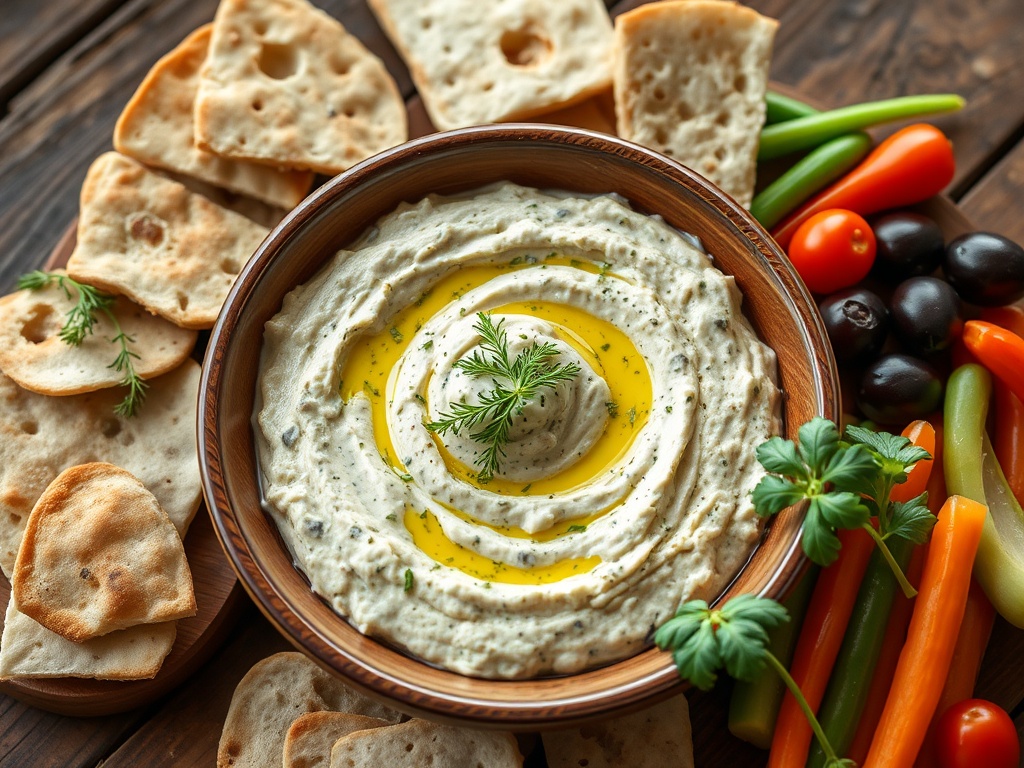
- With Bread: Serve with warm pita or crusty bread for dipping. The bread serves as a perfect vehicle for the creamy dip.
- As Part of a Meze Platter: Combine with other dips like tzatziki and hummus, olives, grilled vegetables, and cheeses for a delightful spread. This allows guests to sample a variety of flavors.
- With Fresh Vegetables: Carrot sticks, cucumber slices, and bell pepper strips make excellent accompaniments, adding a refreshing crunch that pairs well with the rich dip.
- As a Sandwich Spread: Use taramosalata as a unique spread for sandwiches, adding a layer of flavor that can elevate even the simplest ingredients.
Nutritional Benefits
While taramosalata is a rich dip, it does offer some nutritional benefits. Fish roe is a good source of omega-3 fatty acids, which are beneficial for heart health. These essential fatty acids support brain function and reduce inflammation in the body. Additionally, the dip contains healthy fats from olive oil, known for its antioxidant properties, which can contribute to overall well-being.
The inclusion of bread or potatoes provides carbohydrates, making taramosalata a more filling option when served as part of a meal. However, it’s important to enjoy this dip in moderation due to its richness.
Variations of Taramosalata
While the traditional version of taramosalata is beloved, there are many regional variations and adaptations:
- Vegetarian Versions: Some recipes substitute fish roe with alternatives like smoked eggplant or other umami-rich ingredients, making it suitable for vegetarians.
- Spicy Taramosalata: For those who enjoy a kick, adding a dash of chili flakes or finely chopped fresh chili can bring a spicy twist to the classic dip.
- Herbed Taramosalata: Incorporating fresh herbs like dill or parsley can enhance the flavor and add a fresh element to the dip.
Conclusion
Taramosalata is more than just a dip; it’s a celebration of flavors and traditions that brings people together. Whether enjoyed at a family gathering or a casual meal, this creamy, savory dish is sure to impress. With its simple ingredients and rich history, taramosalata continues to be a beloved part of Greek cuisine and a delightful addition to any table. Embrace the experience of making and sharing this dip, and you’ll find that it not only satisfies the palate but also fosters connection and joy among those who gather to enjoy it.