Introduction
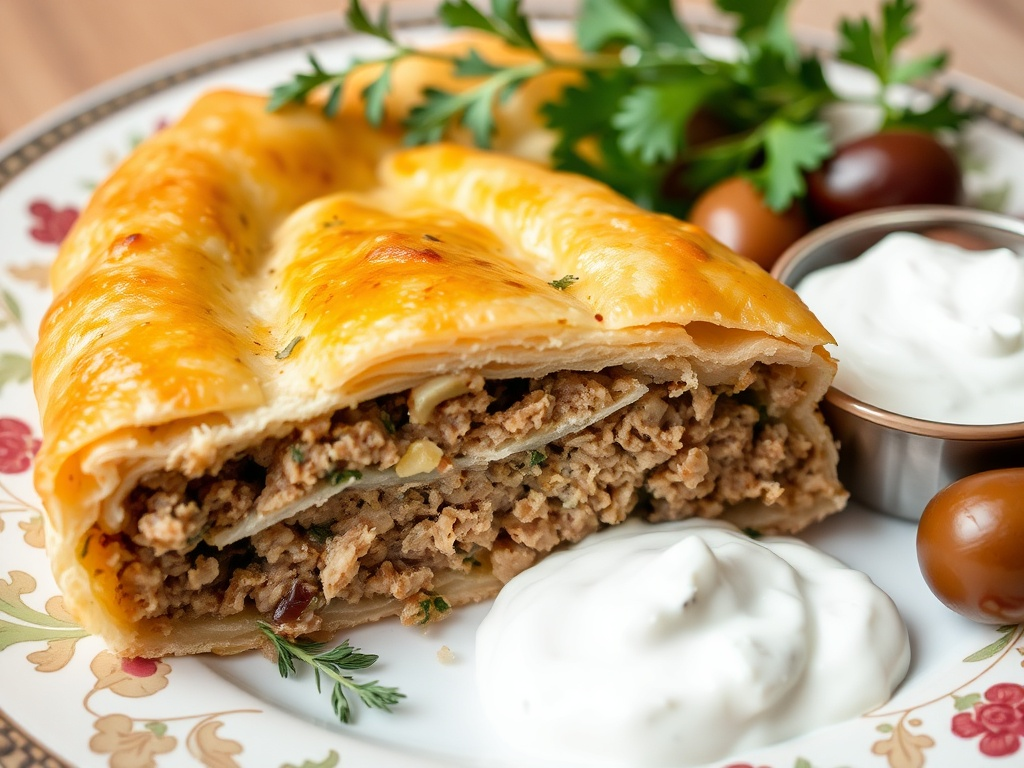
Kreatopita, often referred to as “meat pie,” is a traditional Greek dish that showcases the rich culinary heritage of the region. With its savory filling and flaky pastry, kreatopita is beloved not just for its taste but also for the warmth of home it represents. This article delves into the origins, ingredients, preparation methods, cultural significance, and variations of this delightful dish, revealing its charm and versatility.
Origins of Kreatopita
Kreatopita has deep roots in Greek culinary traditions, tracing back centuries. The word “krea” means meat in Greek, indicating that kreatopita specifically refers to a pie filled with meat. The pie is part of a broader culinary category that includes various “pitas,” or pies, filled with a wide range of ingredients. Historically, rural families in Greece would prepare this dish to utilize leftover meats and seasonal vegetables, making it a practical and economical choice.
The dish is particularly popular in regions like Thessaly and Macedonia, where pie-making is a common practice. Traditionally, it was made for special occasions, gatherings, or celebrations, reflecting the values of sharing and hospitality that characterize Greek culture.
Key Ingredients
The heart of kreatopita lies in its simple yet flavorful ingredients. Here’s a closer look at what goes into this mouthwatering dish:
- Pastry: The dough is the foundation of kreatopita, typically made from flour, water, salt, and either olive oil or butter. This combination yields a tender and flaky crust. In some variations, phyllo dough is used to achieve a crispier texture.
- Meat: The filling can include a mix of minced or chopped meats such as pork, beef, or lamb. The choice of meat often reflects regional preferences, with some families using a combination for added depth of flavor.
- Vegetables: Onions, garlic, and sometimes bell peppers are commonly added to the filling. These ingredients not only contribute flavor but also moisture, ensuring the filling remains juicy.
- Spices and Herbs: Oregano, mint, and black pepper are essential seasonings that elevate the dish. The combination of these herbs gives kreatopita its distinct aromatic profile, enhancing the overall eating experience.
- Eggs and Cheese (optional): Many variations incorporate beaten eggs or cheese, such as feta or kasseri, to create a richer, creamier filling that complements the meat.
Preparation
Making the Dough
- Mixing Ingredients: In a mixing bowl, combine flour and salt. Gradually add olive oil, mixing until the texture resembles coarse crumbs. Slowly incorporate water, stirring until a dough forms.
- Kneading: Transfer the dough to a floured surface and knead it until smooth and elastic. Cover the dough with a cloth or plastic wrap and let it rest for about 30 minutes. This resting period helps relax the gluten, making the dough easier to roll out.
Preparing the Filling
- Cooking the Meat: In a large skillet, heat olive oil over medium heat. Sauté the chopped onions and garlic until fragrant. Add the minced meat, cooking until browned evenly.
- Seasoning: Stir in the herbs and spices, allowing the mixture to cook for a few more minutes to meld the flavors. Optional vegetables can be added at this stage, cooking until tender.
- Cooling: Once cooked, remove the filling from heat and let it cool slightly before mixing in beaten eggs or crumbled cheese, if desired. This cooling step prevents the eggs from scrambling when added to the hot mixture.
Assembling the Pie
- Rolling out the Dough: After resting, divide the dough into two equal portions. On a floured surface, roll out one half to fit a baking pan. Ensure the rolled dough is thin enough to be pliable without tearing.
- Filling: Carefully spread the prepared meat mixture evenly over the dough, leaving a slight border around the edges to secure the top layer.
- Covering: Roll out the second half of the dough and place it over the filling. Seal the edges by pressing them together. To allow steam to escape during baking, cut several slits in the top layer.
Baking
Preheat the oven to 350°F (175°C). Transfer the pie to the preheated oven and bake for about 45 minutes, or until the crust is golden brown and the filling is bubbling. For an extra golden finish, you can brush the top with an egg wash made from beaten egg and water before baking.
Variations
Kreatopita is versatile, with numerous regional and personal variations that add unique twists to the classic recipe:
- Vegetable Kreatopita: For a meatless version, replace the meat with a delicious mixture of seasonal vegetables, such as spinach, leeks, or zucchini, combined with cheeses like feta. This variant is particularly popular during fasting periods in the Orthodox Christian calendar.
- Seafood Kreatopita: In coastal regions, seafood options like shrimp, octopus, or fish may be used, seasoned with Mediterranean herbs, bringing a refreshing taste to this traditional dish.
- Sweet Kreatopita: This dessert variation includes sweetened cheese or fruits, flavored with cinnamon and sugar, providing a delightful counterpoint to the savory versions.
Cultural Significance
Kreatopita embodies the essence of Greek culture, symbolizing hospitality and familial bonds. Traditionally prepared for family gatherings and celebrations, it reinforces the values of sharing and togetherness. The preparation of kreatopita is often a communal activity, with family members gathering in the kitchen, passing down recipes and techniques across generations.
Moreover, this dish reflects the seasonal availability of ingredients, making it a true representation of the Mediterranean lifestyle. Using fresh, local ingredients not only enhances the flavors but also underscores the importance of sustainability and resourcefulness in Greek cooking.
Serving Suggestions
Kreatopita can be served in various ways, making it a flexible option for any meal:
- Side Dishes: Pair it with refreshing Greek salad, made with cucumbers, tomatoes, olives, and feta, dressed with olive oil and vinegar. This combination complements the rich flavors of the pie.
- Dips: Serve alongside tzatziki, a yogurt-based dip with cucumbers and garlic, or a spicy red pepper dip to balance the savory richness of the kreatopita.
- Wine Pairing: A glass of robust red wine or a crisp white like Assyrtiko enhances the dining experience, complementing the dish’s flavors.
- Leftovers: Kreatopita is perfect for leftovers, easy to reheat and enjoy as a snack or a quick meal. Its flavors often improve after a day in the refrigerator, allowing the spices to meld even further.
Conclusion
Kreatopita is much more than a simple pie; it is a representation of Greek culture, tradition, and community spirit. With its rich, savory filling and flaky crust, this dish captivates the taste buds and warms the heart. Whether enjoyed at home or served at a celebration, kreatopita continues to be a cherished part of Greek culinary heritage. Its versatility allows for endless creativity in the kitchen, inviting home cooks to personalize the dish while honoring the timeless recipes passed down through generations.