Introduction
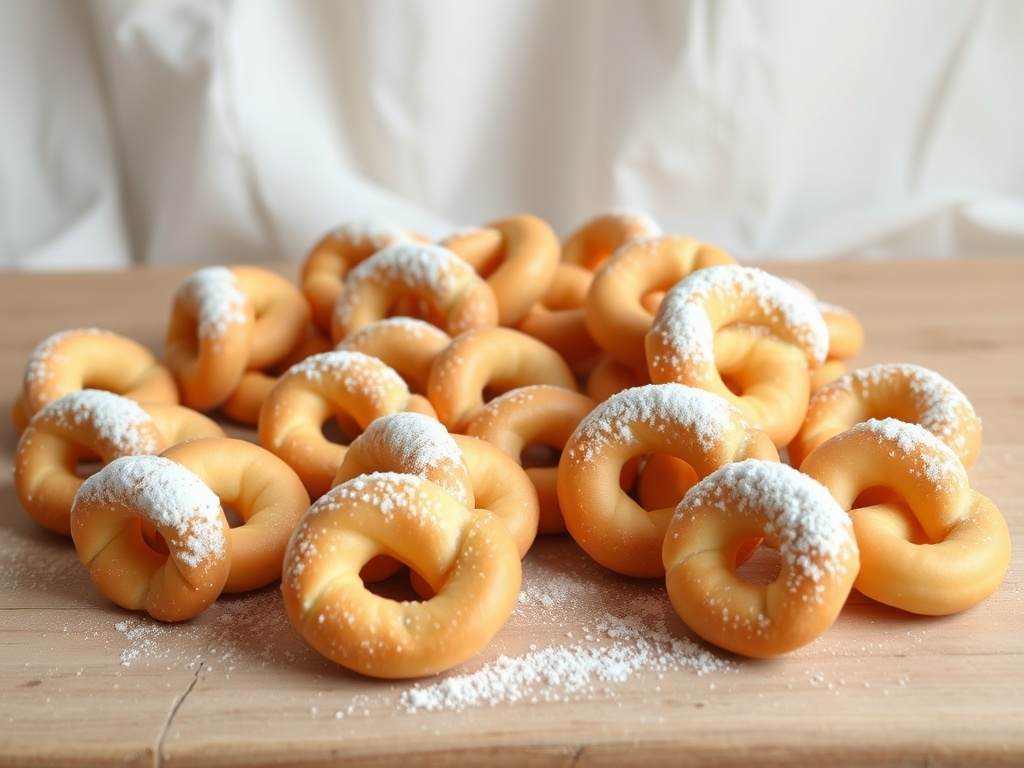
Kouloraki, often lovingly referred to as “Greek Easter cookies,” are iconic in Greek culture, embodying both culinary tradition and familial celebration. These delicate, twist-shaped pastries are not only enjoyed during festivities but have also become a delightful treat for everyday enjoyment. Known for their aromatic flavors and crunchy texture, kouloraki represent the essence of Greek hospitality and the joy of sharing food with loved ones.
History and Significance
Kouloraki has deep historical roots, tracing back to ancient Greek rituals celebrating the arrival of spring. Traditionally associated with Easter, these cookies symbolize renewal, joy, and the end of the Lenten fasting period. Baking kouloraki is often a communal activity, with families gathering to share recipes, techniques, and stories, making it a wholesome bonding experience.
The origins of kouloraki are intertwined with the broader context of Greek Easter celebrations, where food holds significant meaning. The cookies are often placed on tables during the festive feast, symbolizing abundance and the sweetness of life that follows the somber period of Lent. Each family might have its unique twist on the recipe, passed down through generations, adding to the rich tapestry of Greek culinary traditions.
Ingredients
The beauty of kouloraki lies in its simplicity, with a few basic ingredients that come together to create a delightful cookie:
- Flour: Typically all-purpose flour serves as the base, providing structure and stability to the cookies.
- Butter or Olive Oil: Many recipes call for butter to add richness, though olive oil is also a popular and healthier alternative, imparting a distinct flavor.
- Sugar: Granulated sugar sweetens the dough, balancing the flavor profile.
- Eggs: Eggs bring moisture and bind the ingredients, contributing to the cookie’s tender texture.
- Baking Powder: A leavening agent that helps the kouloraki rise slightly during baking, creating a light and airy bite.
- Flavorings: Traditional flavorings include vanilla, orange zest, or anise, providing an aromatic quality that enhances the overall taste.
Preparation Method
The preparation of kouloraki is both an art and a science, requiring attention to detail and a touch of creativity:
- Mixing the Dough: In a mixing bowl, cream together butter and sugar until light and fluffy. This process incorporates air, which is essential for a tender texture. Add eggs one at a time, ensuring each is fully blended before continuing. Gradually introduce the flour mixed with baking powder, mixing until a smooth dough forms.
- Shaping: Once the dough is ready, divide it into small portions. Roll each piece into long ropes about a quarter-inch thick. Twist them into shapes—simple knots, braids, or even spiral forms, allowing creativity to shine.
- Baking: Preheat the oven to a moderate temperature. Line baking sheets with parchment paper and arrange the shaped kouloraki, leaving space for them to expand. For an appealing finish, brush the tops with egg wash— a mixture of beaten egg for richness and shine—and sprinkle with sesame seeds or finely chopped nuts.
- Cooling: After baking for 15-20 minutes or until golden brown, remove them from the oven and transfer to a wire rack. Allow the kouloraki to cool completely before serving, which enhances their crunchiness.
Variations
While traditional kouloraki maintains a classic flavor, there are numerous variations worth exploring:
- Chocolate-Dipped Kouloraki: For a modern twist, dip cooled cookies in melted chocolate and sprinkle with crushed nuts.
- Spiced Kouloraki: Incorporate spices like cinnamon or nutmeg into the dough for a warming flavor profile, perfect for the fall season.
- Healthier Options: Substitute part of the all-purpose flour with whole wheat flour or use honey instead of sugar for a nutritious alternative.
Serving and Enjoyment
Kouloraki cookies are versatile and can be enjoyed in various settings. Serve them fresh from the oven as part of a celebratory feast, or enjoy them alongside a hot cup of Greek coffee during a quiet afternoon. They store well in airtight containers, making them a perfect gift for friends or a delightful treat to bring to gatherings.
Cultural Impact
Kouloraki transcends mere taste; they represent a slice of Greek culture and tradition. Families often choose to bake kouloraki on Holy Saturday as they prepare for Easter Sunday celebrations. The process, filled with laughter and camaraderie, instills a sense of community and heritage. Moreover, sharing these cookies with neighbors or guests emphasizes the Greek value of hospitality.
Conclusion
Kouloraki are not just cookies; they are a celebration of life, culture, and traditions passed through generations. The simple act of baking kouloraki fosters connection, love, and community spirit. Whether enjoyed during Easter or simply as a comforting treat throughout the year, kouloraki embodies the rich culinary heritage of Greece.
Try making kouloraki at home, and you’ll not only savor their delightful flavors but also connect with a vibrant cultural tradition. Allow each bite to transport you to the sunny shores of Greece, where warmth, hospitality, and the joy of shared meals are celebrated year-round.