Introduction
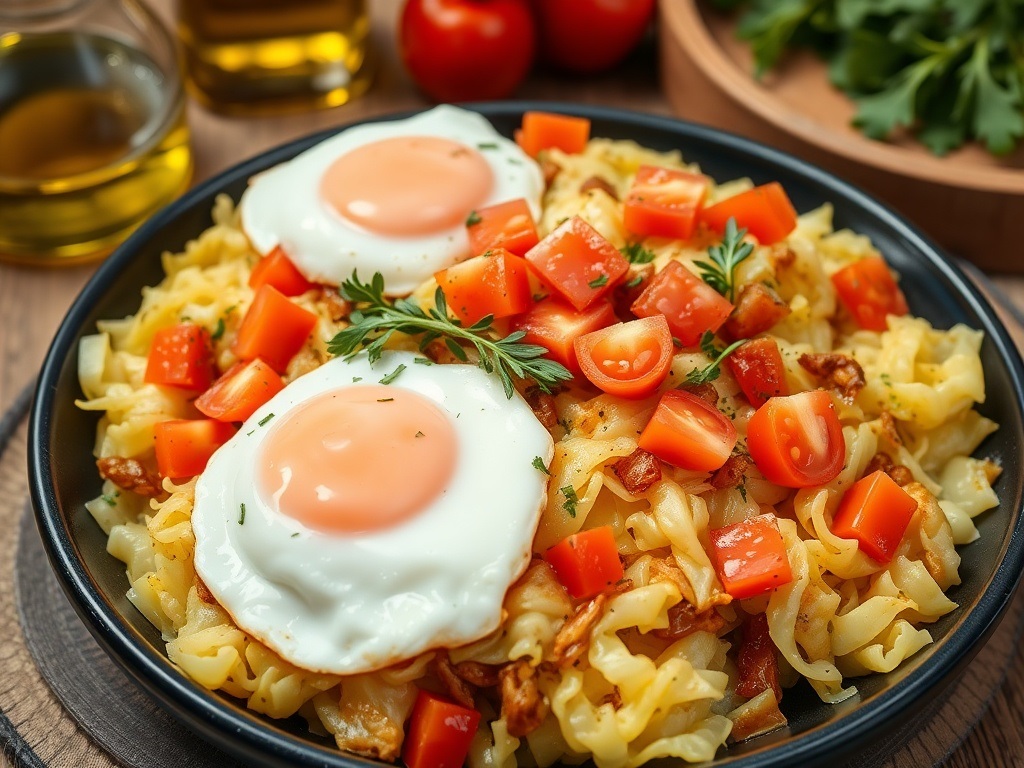
Lahanika Me Avga, or “Cabbage with Eggs,” is a beloved dish in Greek cuisine that highlights fresh ingredients and simple yet rich flavors. It embodies the spirit of traditional Greek cooking, where the focus is on celebrating seasonal vegetables and providing hearty meals that bring families together.
The Greek Connection
Cabbage is a staple in Greek households, renowned for its versatility and nutritional benefits. It has been a part of the Greek diet for centuries, often featured in various regional dishes. Lahanika Me Avga is a prime example of how Greek cuisine values local produce, transforming humble ingredients into comforting meals.
Historical Context
Historically, cabbage was a common vegetable in ancient Greece, prized for its ability to grow in diverse climates and its health benefits. It’s mentioned in ancient texts, and its cultivation spread throughout the region. As Greece evolved, so did its culinary practices, with dishes like Lahanika Me Avga emerging as a testament to the land’s agricultural wealth.
Ingredients
The core ingredients that define this dish include:
- Cabbage: Freshly chopped, serving as the primary base and providing a satisfying texture.
- Eggs: Beaten and mixed in, adding creaminess and protein.
- Tomatoes: Fresh or canned, contributing acidity, sweetness, and moisture to the dish.
- Onions and Garlic: Essential aromatics that enhance the flavor profile.
- Olive Oil: A vital component in Greek cooking, used for sautéing and enhancing taste.
- Herbs & Spices: Typically salt, pepper, and occasionally oregano or dill, which add depth and complexity.
Preparation
- Sautéing Aromatics: Heat olive oil in a large skillet over medium heat. Add finely chopped onions and minced garlic, sautéing until fragrant and translucent.
- Cooking the Cabbage: Incorporate the chopped cabbage into the pan, cooking it down for about 10-15 minutes, stirring occasionally until tender and slightly caramelized.
- Adding Tomatoes: Stir in chopped tomatoes, allowing the mixture to simmer. This not only adds flavor but also creates a delicious sauce that binds the ingredients together.
- Incorporating Eggs: Once the cabbage and tomatoes are well combined and flavorful, lower the heat. Gradually pour in the beaten eggs, stirring gently until they are softly scrambled and just set.
- Final Seasoning: Finish the dish with your choice of herbs and spices, adjusting the seasoning to suit your taste.
Serving Suggestions
Lahanika Me Avga can be enjoyed in several ways:
- As a Main Dish: Serve it warm as a hearty main course, especially during winter months.
- As a Side Dish: Pair it with grilled meats or fish, providing a nutritious complement to the protein.
- Cold or Room Temperature: It can also be served cold or at room temperature, making it a great option for picnics or light lunches.
Cultural Significance
In Greece, meals are often communal experiences, and Lahanika Me Avga plays a special role in family gatherings. Whether it’s a Sunday lunch or a festive occasion, this dish brings people together. It embodies the Greek appreciation for home-cooked meals, often passed down through generations.
A Healthy Choice
Lahanika Me Avga is not only delicious but also nutritious. Cabbage is high in vitamins C, K, and B6, along with fiber, making this dish beneficial for digestion and overall health. The eggs provide essential protein, while the olive oil adds healthy fats, contributing to a well-rounded meal.
Variations and Twists
While the traditional preparation of Lahanika Me Avga is cherished, there are several regional variations and personal twists that can be explored:
- Additional Vegetables: Some recipes incorporate other vegetables, such as bell peppers or carrots, adding color and flavor.
- Cheese: Adding feta or other cheeses can enrich the dish, offering a creamy texture and salty contrast.
- Spices: Experimenting with spices like paprika or cumin can introduce new flavor profiles, making the dish unique.
Conclusion
Lahanika Me Avga is more than just a dish; it represents the essence of Greek culture—connection, tradition, and the celebration of ingredients. Its blend of flavors and ease of preparation ensure that it remains a beloved comfort food for many. Whether shared at a family table or enjoyed quietly at home, this dish warms the heart and delights the palate with every bite.