Introduction
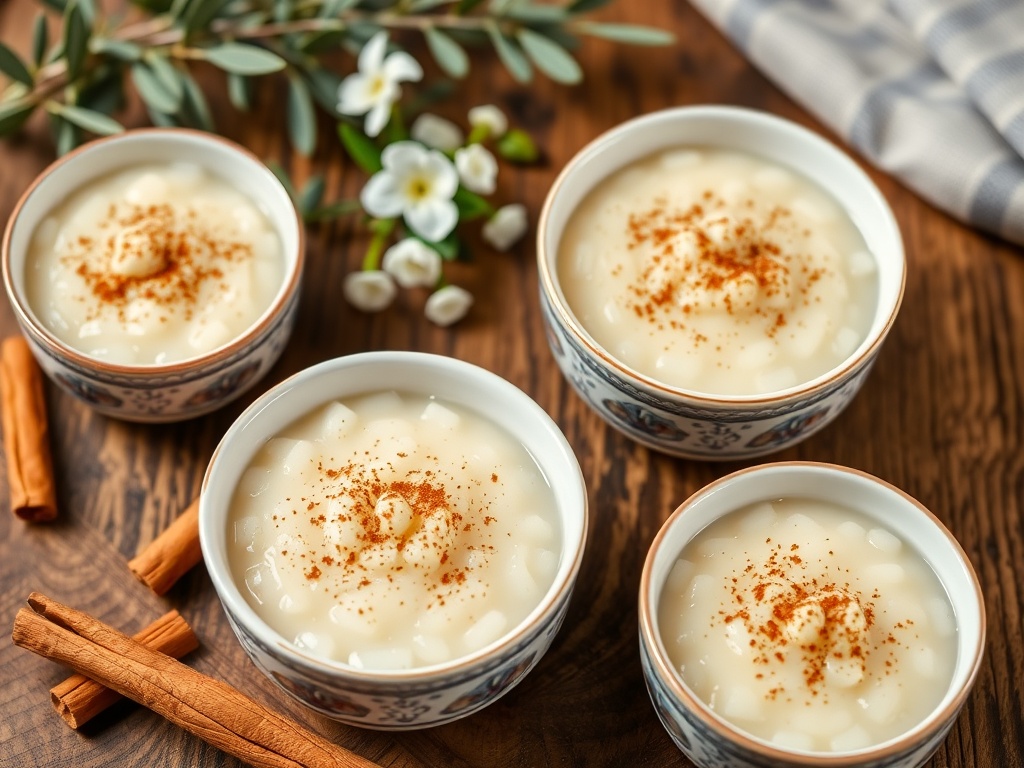
Rizogalo, a traditional Greek dessert, is a creamy rice pudding beloved for its comforting texture and rich flavor. This delightful dish resonates with warmth and nostalgia, making it a favorite across generations. Originating from a blend of cultures, Rizogalo holds a special place in the hearts of many and is frequently enjoyed during family celebrations and communal gatherings. In this article, we will delve into the delightful world of Rizogalo, exploring its origins, essential ingredients, detailed preparation methods, regional variations, and its cultural significance in Greek society.
Origins of Rizogalo
The word “Rizogalo” translates to “rice milk” in Greek, aptly representing its primary ingredients. The dessert has roots that trace back to the Ottoman Empire, where rice pudding was a common delicacy enjoyed throughout the region. Initially influenced by Persian rice dishes, it evolved over time into its distinctly Greek form, becoming a staple in homes and kitchens across the country.
Historically, rice was introduced to Greece via trade routes and has since found its way into various dishes, especially desserts. Over centuries, as flavors and cooking methods fused, Rizogalo emerged as a simple, yet elegant dish that embodies the essence of Greek culinary tradition. Today, it is cherished not just as a dessert but also as a comforting treat reminiscent of childhood memories.
Key Ingredients
The core components of Rizogalo are both simple and effective, allowing the flavors to shine without overwhelming the senses:
- Rice: Short-grain rice is typically the go-to option for Rizogalo, as it has a higher starch content, which contributes to a creamy consistency. Arborio rice, often used in risottos, is particularly suited for this dish because it absorbs liquid well while releasing starch.
- Milk: Whole milk imparts richness and creaminess to the pudding. For those seeking a dairy-free alternative, almond milk or coconut milk can be excellent substitutes, offering a different flavor profile while maintaining a creamy texture.
- Sugar: Granulated sugar is the sweetener of choice, though its quantity can be adjusted according to personal taste. Alternatives like honey and maple syrup can also be used for a more distinct sweetness.
- Vanilla: Vanilla extract or a vanilla pod adds a fragrant note, elevating the overall flavor. The warmth of vanilla complements the pudding’s creaminess perfectly.
- Cinnamon: Ground cinnamon is typically sprinkled on top before serving, providing a fragrant aroma and a warm spice that enhances the dish.
Detailed Preparation Method
The preparation of Rizogalo is relatively straightforward, making it an approachable dessert for home cooks, regardless of their culinary skills. Here’s a comprehensive guide to crafting this delicious rice pudding:
Step-by-Step Directions:
- Rinse the Rice: Start by rinsing 1 cup of short-grain rice under cold water until the water runs clear. This removes excess starch and prevents the rice from becoming too gummy during cooking.
- Cook the Rice: In a medium saucepan, combine the rinsed rice with 3 cups of water. Bring to a boil over medium heat. Once boiling, reduce the heat to low, cover, and let it simmer for about 15 minutes or until the rice is tender and has absorbed most of the water.
- Prepare the Pudding Base: After cooking the rice, add 4 cups of whole milk, 1 cup of sugar, and 1 tablespoon of vanilla extract to the saucepan. Stir gently to combine.
- Simmer the Mixture: Return the saucepan to medium-low heat, allowing the mixture to come to a simmer. Cook for approximately 20-30 minutes, stirring continuously to prevent the rice from sticking to the bottom. The pudding will begin to thicken as the milk reduces and the starches from the rice are released.
- Adjust Consistency: Continue to cook until the pudding reaches your desired thickness. If it becomes too thick, you can add a little more milk to loosen it. If you prefer a richer pudding, you can also incorporate a knob of butter at this stage.
- Chill and Serve: Once the pudding has thickened, remove it from heat. Pour the Rizogalo into individual serving cups or a large serving dish. Allow it to cool at room temperature, then refrigerate it for at least 1-2 hours. Rizogalo can be served warm or chilled, depending on personal preference.
- Garnish: Just before serving, sprinkle a generous amount of ground cinnamon on top or a dab of ground nutmeg for additional flavor. You may also consider adding a few slivers of chopped nuts for added texture.
Regional Variations
Rizogalo showcases the diversity of Greek cuisine through its various regional adaptations. Here are some popular variations:
- Citrus Zest: In some regions, chefs incorporate lemon or orange zest for a refreshing, citrusy twist. This addition brightens the dish while balancing the sweetness.
- Nuts: Chopped almonds, walnuts, or pistachios are often sprinkled on top, lending a crunchy texture that contrasts with the creaminess of the pudding.
- Different Sweeteners: Using honey or agave syrup instead of sugar offers a unique flavor profile for those seeking a more natural sweetness. Some variations even include a touch of rosewater for a fragrant, floral essence.
- Local Ingredients: Certain areas may introduce local flavorings, such as mastiha (a resin from the mastic tree), which adds an aromatic quality to the dish.
Cultural Significance
In Greece, Rizogalo is more than just a dessert; it symbolizes home, comfort, and family traditions. It is often served during special occasions, such as name days, birthdays, and holiday celebrations. Families gather around the table, sharing stories and laughter over bowls of this beloved treat, reinforcing bonds and creating cherished memories.
Rizogalo also has a unique role in Greek folklore. It is sometimes prepared during religious observances, as a symbol of abundance and blessings. In many households, it serves as a comforting meal during the winter months, evoking feelings of warmth and nostalgia.
Conclusion
Rizogalo is a beautiful representation of Greek culture, marrying simple, wholesome ingredients into an utterly delightful dessert. Its rich history, ease of preparation, and comforting flavor make it a timeless treat cherished by many. Whether savored warm on a chilly evening or enjoyed chilled as a refreshing dessert, Rizogalo brings joy and comfort to those who partake in it. Making this traditional rice pudding at home is not just about enjoying a delicious treat; it’s about connecting with Greek culinary traditions and sharing love with family and friends.
So why not give it a try and experience the warmth of Rizogalo for yourself?