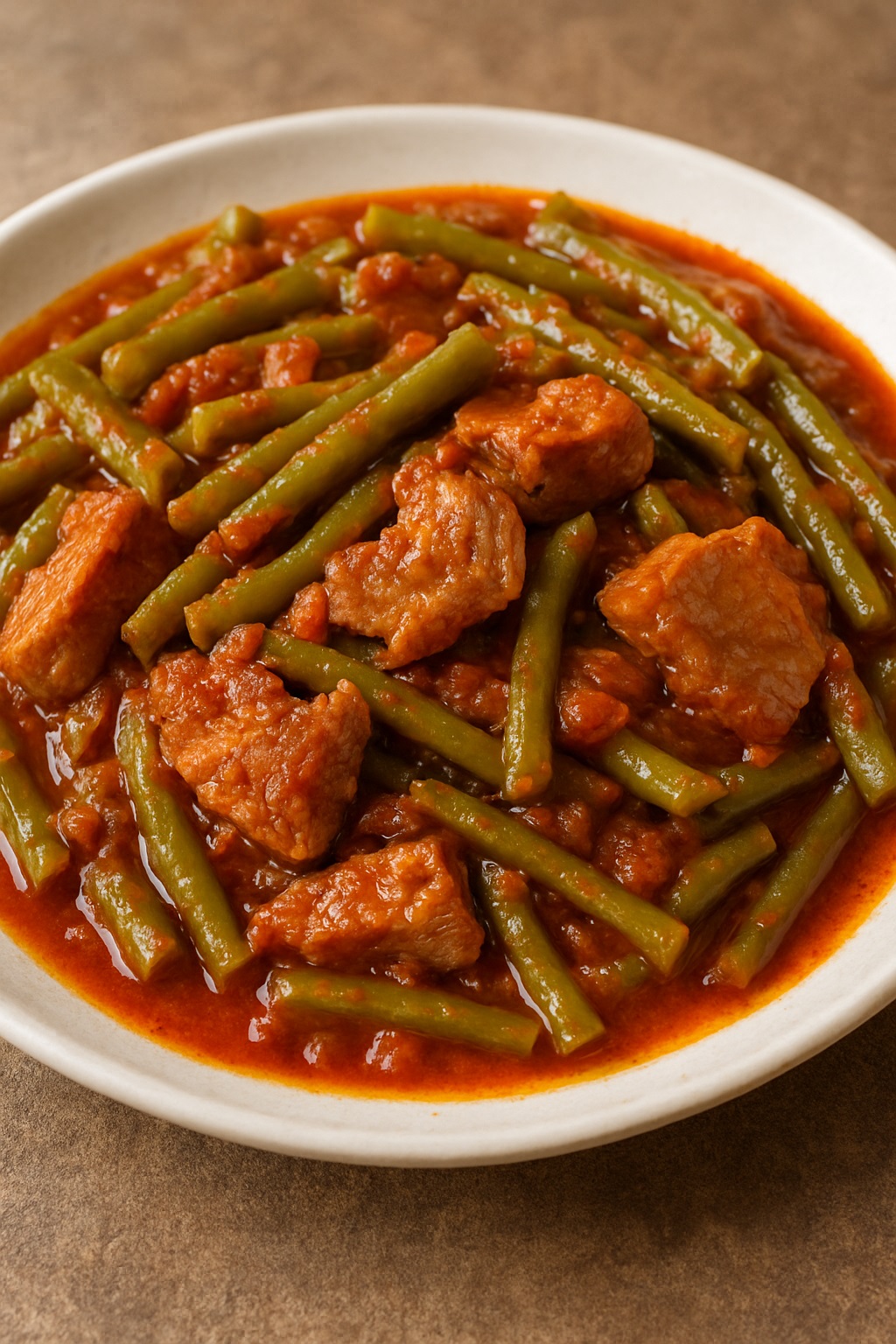
Fasolakia, a cherished dish from Greece, captures the essence of Greek cuisine with its vibrant flavors, wholesome ingredients, and a rich history steeped in tradition. The term “fasolakia” translates to “little beans” in Greek, referring to the tender green beans that are the stars of this comforting dish. Whether served as a main course or a side dish, fasolakia embodies the spirit of Greek home cooking and its communal table.
Historical Context
Fasolakia has roots deeply embedded in the culinary practices of Greek peasant food. Traditionally, this dish was a way for families to use fresh, seasonal vegetables in their cooking, adhering to the principles of farm-to-table living. As with many Greek dishes, its preparation often depended on what was available in the local area, leading to variations across different regions of the country.
In rural Greece, where agriculture plays a significant role, fasolakia symbolizes the connection to the land and the importance of seasonal eating. It reflects the simplicity and resourcefulness of Greek cuisine, showcasing how a few humble ingredients can come together to create something nourishing and delicious.
Ingredients and Preparation
The primary ingredients for fasolakia include:
- Fresh green beans: The main component, ideally tender and crisp. When selecting beans, look for vibrant, unblemished pods.
- Tomatoes: Fresh or canned; they provide a tangy base that complements the beans.
- Olive oil: A staple in Greek cooking, it enriches the dish with flavor and health benefits. Extra virgin olive oil is preferred for its superior taste and nutritional profile.
- Onions: Usually sautéed, they add sweetness and depth to the flavored dish.
- Garlic: For an aromatic touch that enhances the overall flavor.
- Herbs: Fresh parsley, dill, or mint are commonly used to elevate the taste and impart freshness.
- Seasonings: Basic seasonings include salt and pepper. Some recipes might call for a pinch of sugar to balance the acidity of the tomatoes.
Cooking Method:
- Preparation: Begin by washing and trimming the green beans. Chop the onions and garlic, and if using fresh tomatoes, dice them finely.
- Sautéing: In a large, heavy-bottomed pan, heat a generous amount of olive oil over medium heat. Add the chopped onions and minced garlic. Sauté until the onions become translucent and fragrant, usually about 5-7 minutes.
- Cooking the Beans: Add the green beans to the pan, stirring well to coat them in the oil and onion mixture. Cook for a few minutes, allowing the beans to start softening while absorbing the flavors of the onion and garlic.
- Adding Tomatoes: Pour in the diced tomatoes and add your seasonings—salt, pepper, and a pinch of sugar for balance. Stir the mixture to combine thoroughly.
- Simmering: Cover the pan and let the dish simmer on low heat for about 30–40 minutes. This slow cooking allows the beans to become tender and the flavors to meld beautifully. If using fresh tomatoes, you may need to add a splash of water to maintain moisture.
- Finishing Touches: Just before serving, sprinkle with fresh herbs for a pop of color and an aromatic finish.
Variations
While the traditional recipe focuses on fresh green beans and tomatoes, regional variations abound:
- Potatoes: Some adaptations include diced potatoes, which add heartiness and create a one-pot meal.
- Carrots: Adding diced carrots not only enhances texture but also introduces natural sweetness to the dish.
- Spices: In certain variations from regions like Crete, spices such as allspice or cinnamon may be added for a unique twist that reflects the diverse flavors of Greek cuisine.
Nutritional Benefits
Fasolakia is not only delicious but also incredibly nutritious. Key health benefits include:
- Vitamins and Minerals: Rich in vitamins A, C, and K, facolakia supports immune health, skin integrity, and bone health.
- Dietary Fiber: The beans provide a good source of dietary fiber, promoting digestive health and helping regulate blood sugar levels.
- Healthy Fats: The olive oil contributes monounsaturated fats, which are beneficial for heart health.
- Low-Calorie Option: This dish is low in calories while being high in nutrients, making it an excellent choice for those looking to maintain a healthy weight.
Serving Suggestions
Fasolakia is versatile and can be enjoyed in various ways:
- As a Main Course: Served on its own as a vegan or vegetarian main dish, especially when paired with rice or quinoa for a more filling meal.
- As a Side Dish: It complements grilled meats or fish beautifully, adding a vibrant element to any plate.
- With Crusty Bread: Perfect for mopping up the delicious sauce, a piece of crusty bread elevates the dining experience.
- With Feta Cheese: For dairy lovers, crumbled feta cheese adds a salty, creamy contrast to the dish.
Cultural Significance
Fasolakia transcends mere sustenance in Greek culture; it is emblematic of family gatherings and communal meals. Many Greeks hold fond memories of sitting around a table where fasolakia is served, sharing stories and laughs. It reflects the Greek diet’s principles: simplicity, balance, and an emphasis on fresh, seasonal ingredients.
Conclusion
Fasolakia is more than just a dish; it is a representation of Greek culture and culinary heritage. Enjoyed across the country and often served in homes and tavernas alike, it represents a commitment to freshness, sustainability, and community. Simple to prepare yet rich in flavor, fasolakia remains a favorite among both locals and visitors, making it a must-try for anyone looking to experience authentic Greek cuisine. As you savor this dish, remember that you are partaking in a tradition that has been cherished for generations—a true taste of Greece on your plate.