Kalitsounia: A Delicious Taste of Crete

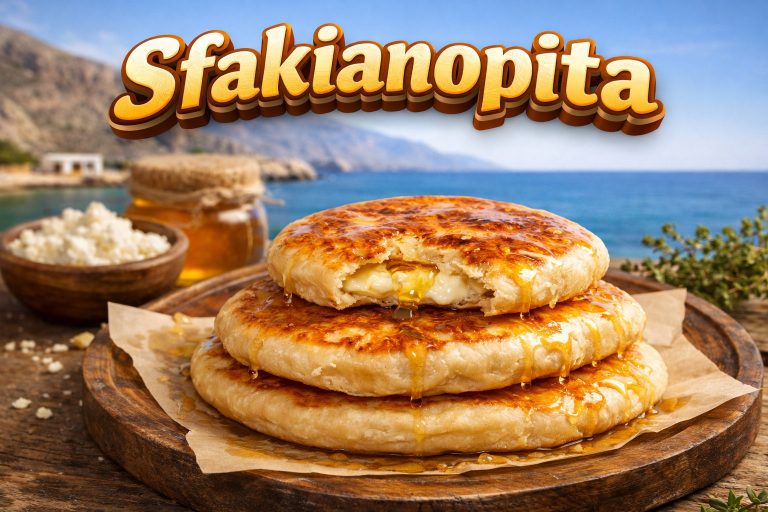
Kalitsounia (singular: Kalitsouni) are delightful cheese pastries hailing from the Greek island of Crete. Characterized by their flaky texture and rich fillings, these traditional treats have become a beloved culinary symbol of Cretan culture. Their unique flavor, combined with their versatility, makes kalitsounia a must-try delicacy for both locals and visitors to the island.
Origins and Cultural Significance
Kalitsounia have deep roots in Cretan culture, with origins that are believed to date back centuries. Traditionally, they were prepared during festive occasions, family gatherings, and religious celebrations, serving as a symbol of hospitality and community spirit. The word “kalitsouni” is derived from the Cretan dialect, reflecting the island’s rich linguistic and cultural heritage.
In many Cretan households, making kalitsounia is a family affair. Grandmothers pass down their cherished recipes to younger generations, ensuring that the techniques and flavors remain alive. The making of these pastries often coincides with the change of seasons, particularly during spring when wild herbs and greens are abundant, allowing for fresh and vibrant fillings.
Ingredients and Preparation
The preparation of kalitsounia typically revolves around two primary components: the dough and the filling.
1. Dough: The dough is usually made from flour, water, and olive oil, which is a staple in Cretan cuisine. A pinch of salt enhances the flavor, while some recipes incorporate a bit of white wine for added complexity. The ingredients are mixed and kneaded until a smooth, pliable dough is formed.
2. Filling: The filling is the heart of the kalitsounia. There are numerous variations, but the most common fillings feature a combination of fresh local cheeses like ricotta or mizithra, herbs, and spices. Sweet versions may include sugar, cinnamon, and citrus zest, creating a harmonious blend of flavors.
Types of Kalitsounia
There are several types of kalitsounia, each varying slightly in taste, texture, and preparation method:
- Sweet Kalitsounia: These are typically filled with a blend of cheese, sugar, and spices. The sweet variants often have a touch of honey or a dusting of powdered sugar on top, making them resemble delightful pastries rather than simple cheese treats.
- Savory Kalitsounia: The savory types are filled with a mixture of cheeses and fresh wild greens like chard, spinach, or even stinging nettles. Seasoned with herbs like dill or mint, these savory pastries offer a fulfilling snack or appetizer.
Cooking Methods
Kalitsounia can be prepared using two primary methods:
- Baking: This method yields a golden, crispy exterior while keeping the filling soft and flavorful. Baked kalitsounia are often brushed with olive oil before going in the oven, enhancing their taste and sheen.
- Frying: Frying produces a crunchy, flaky texture. The crispiness appeals to those who enjoy indulging in a richer version. Fried kalitsounia are typically served hot, straight from the pan.
Each method showcases the versatility of the pastry, appealing to different palates.
Serving Suggestions and Pairings
Kalitsounia are best enjoyed warm, allowing the flavors to meld beautifully. They can be served as an appetizer, snack, or even a dessert, making them a versatile addition to any meal.
For sweet kalitsounia, consider drizzling a bit of honey or a sprinkle of powdered sugar on top. A side of Greek yogurt can also complement the flavors, giving a creamy balance to the sweetness.
Savory kalitsounia pair wonderfully with a fresh salad or a selection of Cretan olives. A glass of local wine, such as a crisp white wine or a light rosé, can enhance the entire dining experience.
Beyond the Kitchen: Kalitsounia in Cretan Culture
In Crete, kalitsounia are not solely a culinary delight; they are part of the island’s rich traditions and celebrations. During Easter, families prepare large batches to share, symbolizing togetherness and community. They are also commonly found in local festivals and fairs, showcasing the island’s agricultural bounty, particularly during the spring harvest.
Making Kalitsounia at Home
For those inspired to recreate kalitsounia at home, the process is both enjoyable and rewarding. Start by gathering fresh ingredients from local markets, particularly cheeses and herbs. There are many recipes available online, ranging from traditional to modern twists. Experiment with different fillings and cooking methods to find your favorite combination.
Conclusion
Kalitsounia are more than just a pastry; they reflect the essence of Cretan culture and convey a deep sense of tradition and family. Whether you are fortunate enough to try them in a local taverna or explore the flavors in your kitchen, kalitsounia offer a delightful culinary journey. Embrace the flavors of Crete and indulge in the rich heritage that these delicious pastries embody. The experience of savoring kalitsounia is truly a celebration of Cretan hospitality, making them an unforgettable highlight of any culinary exploration in Greece.