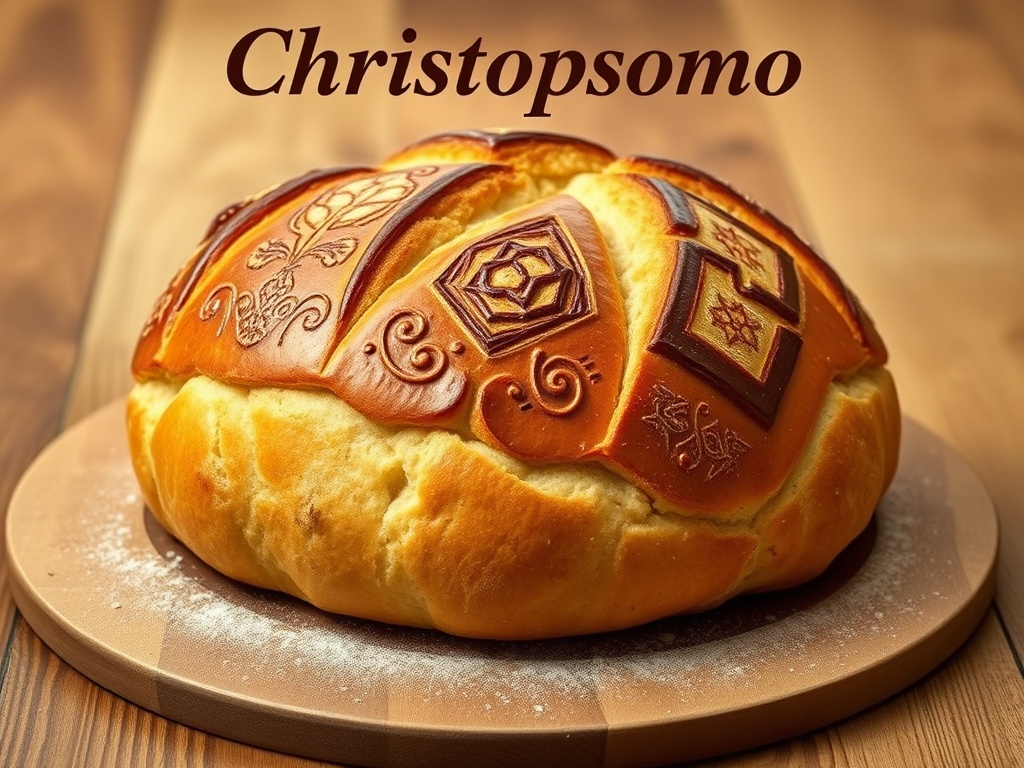
As December unfolds in Greece, the holiday spirit comes alive through aromas—warm spices, toasted nuts, and freshly baked breads that fill family homes. Among these beloved festive foods, one stands out as both delicious and deeply meaningful: Christopsomo, Greece’s traditional “Christ Bread.”
More than just a recipe, Christopsomo is a symbol of family blessing, prosperity, and gratitude. For centuries, Greek households have prepared this sacred loaf in early December as they begin transitioning into the Christmas season.
What Is Christopsomo?
Christopsomo is a gently sweet, beautifully decorated holiday bread made with:
-
Wheat flour
-
Yeast
-
Olive oil or butter
-
Warm spices like cinnamon, clove, and nutmeg
-
Nuts or raisins (depending on region)
It’s often shaped into a round loaf, then adorned with a cross made of dough, symbolizing protection and the spirit of the season.
Every family has its own variation—some more decorative, some richer, some simpler—but all represent the same message: a prayer for good health and blessings for the household.
A Tradition Rooted in Family Rituals
In older generations, preparing Christopsomo was considered a sacred duty, usually performed by the mother or grandmother of the house.
The process involved:
-
Kneading the dough with care and intention
-
Decorating it with crosses, swirls, or symbols representing the family’s livelihood
-
Baking it on Christmas Eve or early in December
It was believed that the way the bread rose and baked could reveal insights about the coming year—prosperity, harmony, or challenges.
Even today, while the symbolism may be more subtle, families still treat Christopsomo with a sense of warmth and reverence.
Flavors That Capture the Greek Holiday Spirit
Christopsomo is not overly sweet—its flavor is more aromatic than sugary.
The blend of honey, nuts, citrus, and spice creates a bread that pairs perfectly with:
-
A warm cup of Greek mountain tea
-
A drizzle of honey
-
A slice of cheese
-
Fresh winter fruit
Its texture is soft, moist, and slightly chewy, making it ideal for breakfast or a holiday snack.
How Greeks Enjoy Christopsomo in December
While some families bake it specifically on Christmas Eve, many enjoy it throughout December as a way to welcome the festive season.
Common traditions include:
-
Sharing the first slices with all family members
-
Placing a small piece aside as a symbolic blessing
-
Serving it during gatherings and winter celebrations
In rural areas, it’s still common to decorate Christopsomo with designs representing each family’s trade—grapes for winemakers, wheat for farmers, fish for fishermen.
Why Christopsomo Still Matters Today
In a world moving quickly, Christopsomo offers something rare:
A moment to slow down, connect with tradition, and share something heartfelt with the people you love.
It embodies:
-
Family unity
-
Blessings for the coming year
-
Gratitude for the season
-
The warmth of Greek hospitality
This is why, even in modern kitchens, Christopsomo remains a cherished part of Greek December culture.