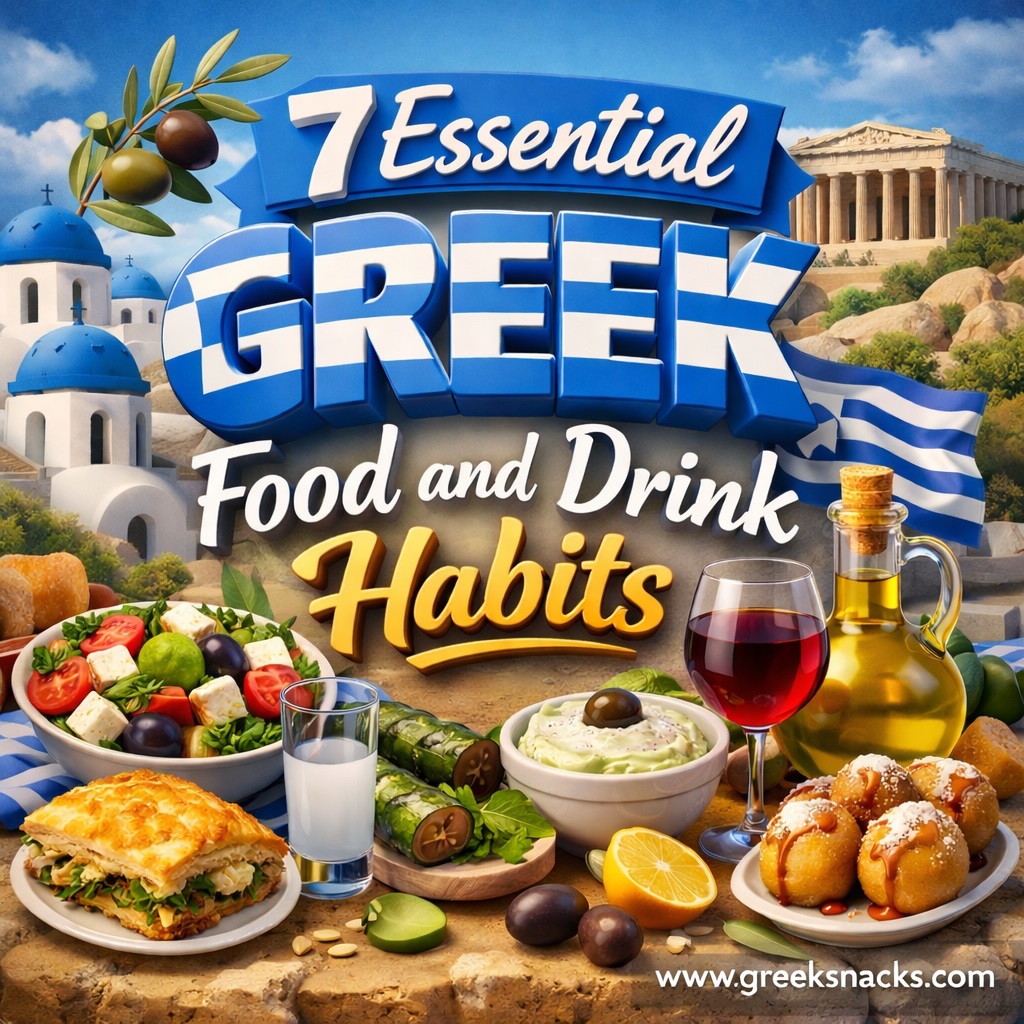
From late-night dinners to wine-filled tables, a Greek hospitality insider shares the everyday traditions that define how people eat and drink across Greece.
Greeks don’t just eat — they experience food. The idea of walking into a Greek grandmother’s home and saying, “I’m not hungry” is almost unthinkable. Guests are always welcomed with something delicious, whether expected or not. From savory spanakopita to syrup-soaked loukoumades, food is an expression of love, generosity, and culture.
Curious about the deeper rules behind this lifestyle, insights come from Aby Saltiel, co-owner of Kalesma Mykonos. Having grown up in Thessaloniki, he shares the unwritten food and drink habits Greeks truly live by.
1. Breakfast Isn’t Essential (But It Exists)
Breakfast in Greece has traditionally been simple — or even skipped altogether. While the stereotype of “coffee and cigarettes” lingers humorously, many Greeks opt for light options like yogurt, milk, or eggs.
In rural areas, breakfast depends on what’s available: bread with olive oil and sugar, homemade jams, or even sweetened trahana. That said, modern Greece is embracing brunch culture, blending tradition with global trends.
2. Lunch Always Includes a Salad
Lunch has long been a central, family-oriented meal. Even as lifestyles evolve, one thing remains constant: a fresh salad.
Whether it’s a classic Greek salad or a simple tomato dish in season, vegetables are always part of the table. While busy schedules have changed habits, many families — especially children — still enjoy a proper midday meal.
3. Dinner Happens Late — Very Late
Dinner in Greece doesn’t follow early schedules. It’s typically served late into the evening — sometimes closer to midnight than sunset.
It’s not rushed, either. Meals are meant to be savored slowly, often stretching into long conversations and shared moments.
4. Wine Is Part of the Table
Wine isn’t an afterthought — it’s essential. In Greek culture, the concept of “trapezi” (the table) represents more than food; it includes wine, company, and atmosphere.
Today, there’s a growing appreciation for high-quality local wines, making the experience even richer without losing its traditional roots.
5. Desserts Are Non-Negotiable
Sweet treats are woven into Greek life. While not always excessive, desserts are especially important during holidays and celebrations.
From honey-drizzled pastries to syrupy delights, sweets are tied to joy, tradition, and shared happiness.
6. Precision Isn’t the Priority
Greek cooking leans heavily on intuition rather than exact measurements. Recipes are often guided by experience, taste, and feel rather than teaspoons and grams.
Technique matters — but strict precision? Not so much.
7. Meals Are Meant to Be Shared
Perhaps the most defining rule: food is never meant to be eaten alone.
Meals bring together family, friends, and even strangers. Dining is a social ritual, and solitude at the table is rare. If someone is alone, chances are they won’t stay that way for long.
In Greece, food is more than nourishment — it’s connection, culture, and community. Every meal tells a story, and every table is meant to be shared.
Source: foodandwine Edited by Bernie