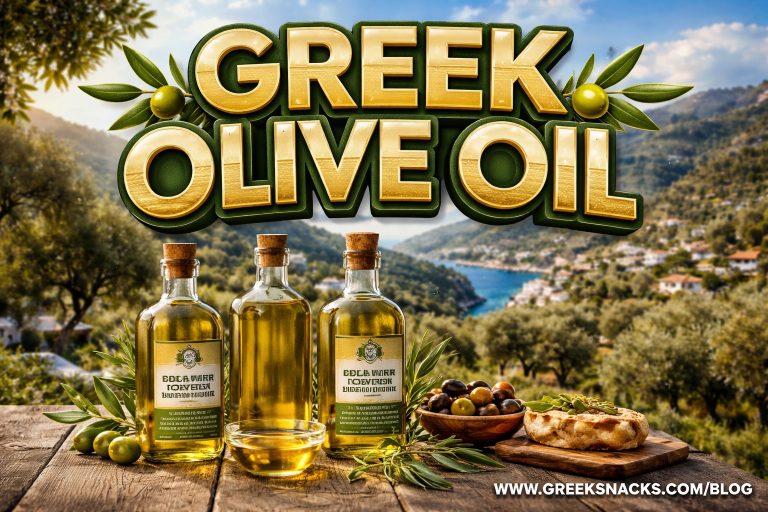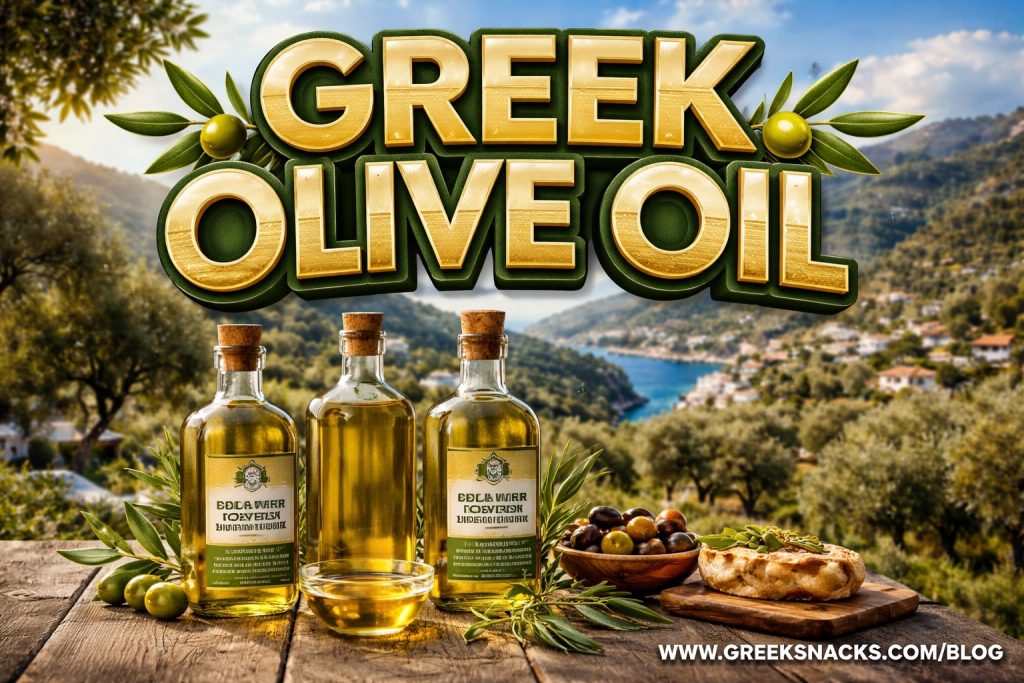
Greek olive oil is more than just a kitchen staple—it’s a cornerstone of culture, history, and the famed Mediterranean diet. From the rugged mountains of northern Greece to the sun-drenched groves of the southern islands, each region produces olive oil with its own distinct character. Understanding the different varieties, types, and harvest seasons can help you choose the perfect olive oil for your table.
🌿 The Importance of Olive Oil in Greece
Greece is one of the world’s leading producers of olive oil, with a tradition that dates back thousands of years. Olive trees thrive in the country’s diverse climate, and many groves are family-owned, passed down through generations. The result is a wide spectrum of oils that vary in flavor, aroma, and quality.
🗺️ Regional Varieties: From North to South
Northern Greece (Macedonia & Thrace)
In regions like Halkidiki, olives tend to be larger and milder in flavor.
- Main Variety: Halkidiki olives
- Flavor Profile: Light, slightly fruity, less bitter
- Best Use: Salads, light cooking, and table olives
Cooler climates in the north often lead to more subtle oils, perfect for those who prefer a gentler taste.
Central Greece & Peloponnese
This is the heartland of Greek olive oil production.
- Main Variety: Koroneiki olives
- Flavor Profile: Rich, fruity, slightly peppery
- Best Use: Drizzling, dipping, and finishing dishes
Regions like Kalamata and Crete produce some of the most renowned oils, often labeled as extra virgin due to their low acidity and high quality.
Southern Greece & Islands (Crete, Lesvos, Rhodes)
Warmer climates and abundant sunshine produce bold, aromatic oils.
- Main Varieties: Koroneiki, Tsounati
- Flavor Profile: Intense, robust, sometimes spicy
- Best Use: Grilled meats, hearty dishes, and traditional recipes
Crete, in particular, is famous for producing some of the highest-quality olive oils in the world.
Types of Greek Olive Oil
Greek olive oil is classified based on how it’s produced and its acidity level:
1. Extra Virgin Olive Oil (EVOO)
- Highest quality
- Cold-extracted without chemicals
- Low acidity (below 0.8%)
- Rich in flavor and nutrients
2. Virgin Olive Oil
- Slightly higher acidity
- Good flavor, but less refined than EVOO
3. Refined Olive Oil
- Processed to remove defects
- Milder taste
- Often blended with virgin oil
4. Olive Pomace Oil
- Extracted from leftover pulp
- Lower quality
- Mainly used for high-heat cooking
📅 Harvest Seasons: When Olives Are Picked
Harvesting time plays a major role in the flavor and quality of olive oil.
Early Harvest (October – November)
- Olives are still green
- Flavor: Bold, peppery, slightly bitter
- Benefits: Higher antioxidants and polyphenols
- Often more expensive due to lower yield
Mid Harvest (November – December)
- Most common harvest period
- Flavor: Balanced fruitiness with mild bitterness
- Ideal for everyday use
Late Harvest (January – February)
- Fully ripened, darker olives
- Flavor: Milder, smoother, less intense
- Produces more oil but with fewer nutrients
🥗 Choosing the Right Olive Oil
When selecting Greek olive oil, consider:
- Purpose: Drizzling vs. cooking
- Flavor preference: Mild or robust
- Harvest date: Fresher is usually better
- Origin: Regional differences can greatly affect taste
Look for labels indicating “extra virgin” and specific regions for the best quality.
Greek olive oil offers a rich journey of flavors shaped by geography, tradition, and timing. Whether you prefer the mild oils of the north or the bold, peppery notes from southern regions, there’s a Greek olive oil for every palate and purpose.
Understanding the varieties, types, and harvest seasons not only enhances your cooking but also connects you to one of Greece’s most treasured traditions—liquid gold in its purest form.