Lamb has a cherished place in Greek cuisine, revered for its rich flavor and versatility. From festive celebrations to everyday meals, lamb features prominently in traditional Greek dishes. This article delves into the significance of lamb in Greek culture, popular recipes, cooking methods, and how to pair it with various ingredients and flavors.
The Cultural Significance of Lamb in Greece
In Greece, lamb is more than just a meal; it embodies tradition and celebration. It is often the centerpiece of special occasions, particularly during Easter, when a whole lamb is traditionally roasted. This practice symbolizes renewal and is deeply rooted in Greek customs. The preparation and sharing of lamb dishes during gatherings foster a sense of community and togetherness, which is a cornerstone of Greek culture.
Lamb is also featured in various religious ceremonies and family gatherings, reflecting the importance of food as a means of connecting with loved ones. The act of cooking and sharing lamb dishes is a way for families to bond, celebrate their heritage, and pass down culinary traditions through generations.
Popular Cuts of Lamb in Greek Cooking
Different cuts of lamb are utilized in Greek cuisine, each offering unique flavors and textures. Understanding these cuts can enhance your cooking:
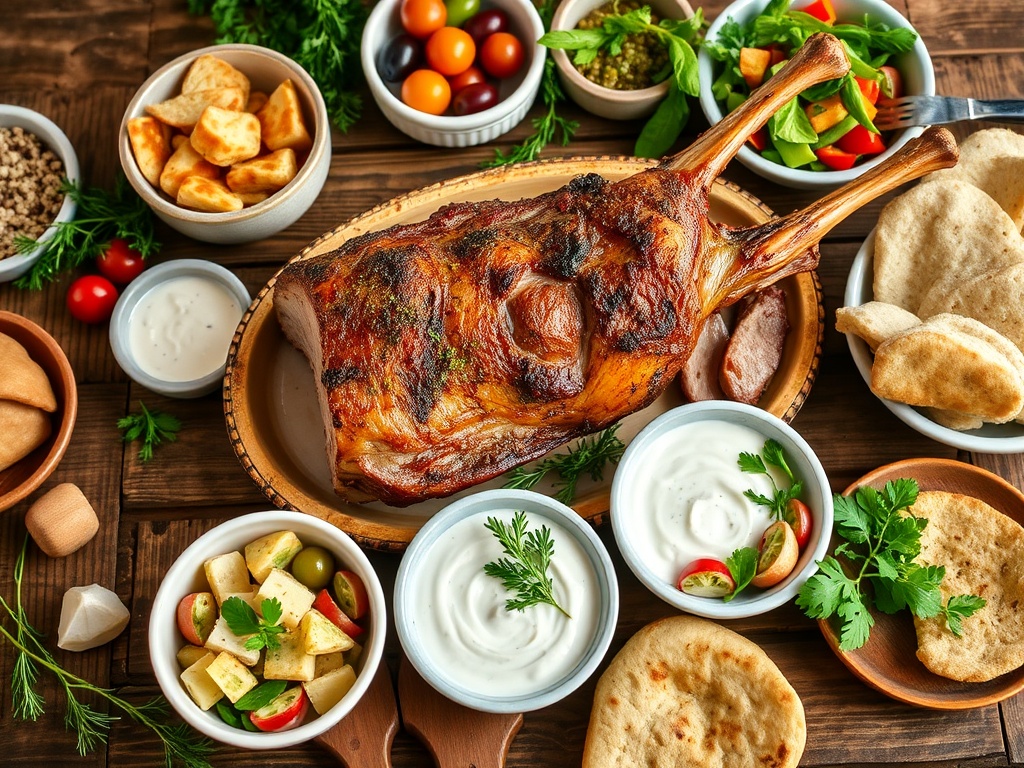
- Leg of Lamb: Often roasted for special occasions, it can be marinated with garlic, herbs, and lemon for a flavorful experience.
- Lamb Chops: Tender and juicy, these are frequently grilled or pan-fried, making them a favorite for casual meals.
- Shoulder: A tougher cut that benefits from slow cooking, shoulder is perfect for stews and casseroles, allowing the flavors to meld beautifully.
- Lamb Shanks: Known for their rich flavor, shanks are ideal for braising, resulting in tender, flavorful meat that falls off the bone.
- Ground Lamb: Versatile and easy to cook, ground lamb is used in dishes like moussaka and keftedes (Greek meatballs), adding richness and depth.
Traditional Greek Lamb Dishes
1. Roasted Lamb with Lemon and Potatoes
Ingredients:
- 1 leg of lamb (about 4-5 lbs)
- 4 large potatoes, cut into wedges
- 4 garlic cloves, minced
- Juice of 2 lemons
- Olive oil
- Fresh rosemary and oregano
- Salt and pepper
Instructions:
- Preheat the oven to 375°F (190°C).
- In a bowl, mix olive oil, lemon juice, garlic, rosemary, oregano, salt, and pepper to create a marinade.
- Rub the marinade all over the lamb, ensuring it is well coated. Place the lamb in a roasting pan.
- Arrange potato wedges around the lamb and drizzle them with olive oil.
- Roast for 1.5 to 2 hours, basting occasionally, until the lamb is tender and the potatoes are golden brown.
- Let rest for 10-15 minutes before slicing and serving.
2. Moussaka
Ingredients:
- 2 large eggplants, sliced into rounds
- 1 lb ground lamb
- 1 onion, chopped
- 2 cloves garlic, minced
- 1 can (14 oz) crushed tomatoes
- 1 teaspoon cinnamon
- 1/4 cup fresh parsley, chopped
- 1 cup béchamel sauce
- Olive oil
- Salt and pepper
Instructions:
- Preheat the oven to 350°F (175°C).
- Salt the eggplant slices and let them sit for about 30 minutes to remove bitterness. Rinse and pat dry.
- In a skillet, heat olive oil and sauté onions and garlic until soft. Add ground lamb and cook until browned.
- Stir in crushed tomatoes, cinnamon, parsley, salt, and pepper. Simmer for 20 minutes.
- In a baking dish, layer eggplant, lamb mixture, and top with béchamel sauce.
- Bake for 45 minutes, until golden and bubbly. Allow to cool slightly before serving.
3. Kleftiko (Slow-Cooked Lamb)
Ingredients:
- 2 lbs lamb shoulder, cut into chunks
- 4 garlic cloves, minced
- Juice of 1 lemon
- 1 cup white wine
- Fresh herbs (rosemary, thyme, oregano)
- Olive oil
- Salt and pepper
Instructions:
- Preheat the oven to 325°F (160°C).
- In a bowl, mix garlic, lemon juice, wine, herbs, salt, and pepper to create a marinade.
- Place the lamb in a baking dish and pour the marinade over it. Cover tightly with foil.
- Bake for 2-3 hours, until the lamb is tender and falls off the bone. Serve with crusty bread to soak up the juices.
Cooking Techniques
Greeks employ various cooking techniques to prepare lamb, each enhancing its natural flavors:
- Grilling: Popular for lamb chops and skewers (souvlaki), grilling adds a delightful smoky flavor and char that enhances the meat’s natural taste.
- Roasting: Whole leg of lamb is often roasted with herbs and vegetables, allowing the flavors to meld beautifully during cooking.
- Braising: Slow-cooked dishes like kleftiko allow the meat to become incredibly tender while absorbing the flavors of the marinade and herbs.
- Sautéing: Quick dishes like keftedes are made by sautéing, creating a crispy exterior while keeping the inside juicy and flavorful.
Flavor Pairings in Greek Cuisine
Lamb pairs beautifully with a variety of flavors, enhancing its rich taste. Here are some common pairings:
- Herbs: Fresh herbs like rosemary, thyme, and oregano are commonly used in Greek lamb dishes, adding aromatic depth.
- Spices: Cumin and cinnamon are often incorporated into lamb dishes, providing warmth and complexity.
- Citrus: Lemon juice and zest brighten the flavors of lamb, cutting through its richness and adding a refreshing note.
- Garlic: A staple in Greek cooking, garlic adds a pungent flavor that complements the meat well.
- Olive Oil: High-quality Greek olive oil is essential for marinating and cooking lamb, enhancing its flavor and providing a rich mouthfeel.
Accompaniments and Sides
In Greek cuisine, lamb is often served with a range of side dishes that complement its flavors:
- Tzatziki: A refreshing yogurt dip made with cucumber and garlic, tzatziki is perfect for balancing the richness of lamb.
- Greek Salad: Fresh tomatoes, cucumbers, olives, and feta cheese offer a light and vibrant contrast to lamb dishes.
- Rice Pilaf: Flavored with herbs and spices, rice pilaf is a comforting side that absorbs the juices from the lamb.
- Pita Bread: Warm pita is great for dipping into sauces or for wrapping around slices of lamb.
Conclusion
Cooking with lamb in Greece is a celebration of tradition, flavor, and family. The diverse cuts and cooking methods offer endless possibilities for creating delicious meals that honor Greek heritage. Whether you’re preparing a festive feast for Easter or a comforting weeknight dinner, lamb is sure to bring a taste of Greece to your table.
As you explore the rich flavors and culinary techniques that make Greek lamb dishes truly special, consider the cultural significance behind each meal. The act of cooking and sharing lamb dishes is not just about nourishment; it is a way to connect with loved ones and celebrate the traditions that have shaped Greek cuisine for generations. Enjoy your culinary journey through the flavors of Greece.